Discover how travel can affect sleep, diet, hydration, exercise, stress, and medication routines, plus simple ways to maintain healthy habits before, during, and after a trip.
Travel can be an exciting opportunity to explore new places, experience different cultures, spend time with family, or take a break from everyday responsibilities. However, traveling can also temporarily disrupt the routines that normally support physical and mental well-being. Changes in sleeping hours, meals, exercise, hydration, climate, daily schedules, and stress levels can make people feel different from their usual selves during or shortly after a trip.
A temporary change in routine does not necessarily mean something is wrong. Travel naturally introduces unfamiliar environments and schedules, and the body may need time to adjust. Long journeys and changes in time zones can affect sleep, while different foods, busy itineraries, hot weather, and reduced physical activity can influence energy levels and digestion. Understanding these changes can help travelers make practical choices that support their health while still enjoying their trip.
Why Travel Can Disrupt Your Normal Routine
Most people have established daily patterns at home.
These may include:
- A regular sleep schedule
- Fixed meal times
- Daily exercise
- Regular hydration
- Medication schedules
- Work or study routines
- Personal relaxation habits
Travel can change almost all of these at once.
A person who normally wakes up at 7 a.m. may suddenly need to wake at 4 a.m. for a flight. Someone who exercises every morning may spend an entire day sitting in a car or airplane. Meal times may change because of transportation schedules, restaurants, sightseeing, or cultural differences.
These disruptions are usually temporary, but they can affect how a person feels.
Travel and Sleep Changes
Sleep is one of the most common routines affected by travel.
Long journeys, early flights, late arrivals, unfamiliar surroundings, and changes in time zones can all interfere with normal sleep patterns.
Jet lag occurs when a person’s internal biological clock is temporarily out of sync with the local time zone. According to the CDC, jet lag can affect sleep, mood, concentration, and physical and mental performance.
Travelers may experience:
- Difficulty falling asleep
- Waking earlier than expected
- Daytime sleepiness
- Difficulty concentrating
- Fatigue
- Changes in appetite
- Reduced energy
These effects often improve as the body adjusts to the new schedule.
How to Protect Your Sleep While Traveling
Travelers can take several practical steps to support better sleep.
Try to:
- Adjust your sleep schedule gradually before a major time-zone change
- Follow the destination’s schedule after arrival when appropriate
- Get natural daylight during the local daytime
- Keep nighttime environments comfortable and quiet
- Avoid excessive alcohol
- Avoid long daytime naps
- Maintain a consistent bedtime once you arrive
The CDC’s 2026 Yellow Book recommends timing sleep, meals, activities, and light exposure according to the destination time zone when managing jet lag.
Changes in Eating Habits
Travel can also change normal eating patterns.
At home, people may have regular breakfast, lunch, and dinner times. While traveling, meals may depend on transportation, sightseeing, hotel schedules, or local restaurant hours.
Travel can lead to:
- Skipped meals
- Larger meals
- More frequent snacks
- Increased consumption of restaurant food
- Changes in fruit and vegetable intake
- Higher intake of salty or sugary foods
Trying local foods is an important part of travel, but maintaining some balance can help prevent unnecessary digestive discomfort.
Travel and Digestive Health
The digestive system can respond to changes in food, water, meal timing, and stress.
Some travelers experience:
- Bloating
- Constipation
- Diarrhea
- Stomach discomfort
- Changes in appetite
Different destinations may also involve different food and water safety considerations.
The World Health Organization advises travelers to pay attention to food and water safety because health risks can vary depending on the destination.
Simple precautions can include choosing safe drinking water, eating properly cooked foods, and practicing good hand hygiene.
Hydration During Travel
Hydration is another routine that can easily be disrupted.
Travelers may drink less water because they are busy, sleeping, sightseeing, or trying to avoid frequent restroom stops.
Air travel and hot environments can also make hydration particularly important.
The CDC recommends drinking water during travel and carrying a reusable water bottle when possible.
Signs that someone may need more fluids can include:
- Thirst
- Dry mouth
- Headache
- Darker urine
- Fatigue
- Dizziness
Hydration needs vary depending on activity, climate, health status, and other factors.
How Climate Can Affect Your Routine
Travel may expose the body to conditions that are very different from those at home.
Examples include:
- Extreme heat
- High humidity
- Cold temperatures
- High altitude
- Strong sunlight
- Different air quality
These environmental changes can affect comfort, energy, hydration needs, and physical activity.
WHO notes that travelers may encounter health risks related to temperature, humidity, air pollution, and other environmental factors.
People should therefore consider the destination’s environment when planning daily activities.
Travel and Physical Activity
Exercise routines can change significantly during travel.
Someone who normally visits a gym may not have access to their usual equipment. Long journeys can also involve extended periods of sitting.
However, travel does not necessarily mean physical activity must stop.
Simple activities can include:
- Walking around the destination
- Taking stairs when practical
- Stretching during breaks
- Walking through airports
- Exploring attractions on foot
- Performing short bodyweight exercises
- Taking brief activity breaks during road trips
The CDC recommends taking brief physical activity breaks during travel and notes that even short periods of activity contribute to overall physical activity.
Why Long Periods of Sitting Matter
Long flights and road trips can involve extended sitting.
For many travelers, regularly getting up and moving around can make the journey more comfortable.
The CDC notes that air travel, particularly flights longer than four hours, may increase the risk of blood clots.
Travelers should follow appropriate medical advice based on their individual risk factors.
During long journeys, practical habits may include:
- Moving around when it is safe to do so
- Flexing and moving the legs
- Staying hydrated
- Following medical recommendations when at increased risk
Medication Routines During Travel
People who take regular medication may find that travel makes their normal schedule harder to maintain.
Time-zone changes, delayed flights, misplaced luggage, or changes in daily activities can create challenges.
WHO recommends that travelers continue prescribed medications for chronic health conditions and carry sufficient medical supplies for the duration of the trip, including possible delays.
Before traveling, it can be useful to:
- Pack medications in an appropriate carry-on
- Keep medicines in their original packaging when appropriate
- Carry enough medication for the trip
- Plan for possible delays
- Keep relevant prescriptions or medical documentation
- Understand whether medications are permitted at the destination
People taking medications on a strict schedule should discuss travel plans with their healthcare professional.
Travel and Stress
Travel is not always relaxing.
Flights, traffic, delays, unfamiliar environments, language barriers, busy schedules, and unexpected problems can create stress.
WHO notes that international travel can be stressful and that adapting to unfamiliar cultures and environments can affect physical, social, and psychological well-being.
Travel-related stress may appear as:
- Irritability
- Difficulty sleeping
- Headaches
- Tiredness
- Reduced concentration
- Changes in appetite
- Feeling overwhelmed
Building small periods of rest into the itinerary can help.
Avoiding an Overloaded Travel Schedule
One common mistake is trying to do too much.
Travelers may schedule sightseeing from morning until night without allowing enough time for meals, rest, hydration, or sleep.
A busy schedule can increase fatigue.
Instead, consider including:
- Breaks between activities
- Flexible meal times
- Rest periods
- Reasonable walking distances
- Free time
- Adequate sleep
A balanced itinerary can make the travel experience more enjoyable.
Maintaining Personal Hygiene
Changes in routine can sometimes affect hygiene habits.
Travelers may spend more time in crowded spaces such as:
- Airports
- Train stations
- Public transportation
- Tourist attractions
- Hotels
- Restaurants
Regular hand hygiene is an important way to reduce exposure to some infections.
WHO recommends travelers take appropriate precautions based on destination-specific health risks.
Carrying hand sanitizer can be useful when soap and water are not readily available.
Travel and Sun Exposure
Vacation activities may involve more time outdoors than normal.
Travelers may spend hours walking, sightseeing, swimming, hiking, or relaxing outside.
Excessive sun exposure can increase the risk of sunburn and other health problems.
Useful protective habits include:
- Using sunscreen
- Wearing protective clothing
- Wearing sunglasses
- Seeking shade
- Avoiding prolonged exposure during the hottest part of the day
The CDC specifically recommends sun protection and appropriate precautions for travelers visiting destinations with significant heat or UV exposure.
Adjusting to High Altitude
Traveling to high-altitude destinations can temporarily change how the body responds to physical activity.
People who are not accustomed to altitude may notice:
- Reduced exercise capacity
- Shortness of breath with activity
- Headache
- Fatigue
- Sleep changes
Travelers visiting high-altitude locations should understand the risks and follow appropriate travel-health advice.
People with existing medical conditions should discuss high-altitude travel with a healthcare professional when appropriate.
How Travel Can Affect Energy Levels
It is common to feel tired during or after travel.
Fatigue can result from:
- Interrupted sleep
- Long journeys
- Jet lag
- Increased walking
- Stress
- Dehydration
- Changes in eating patterns
- Unfamiliar environments
Allowing time for recovery after a long trip can help the body return to its normal routine.
Returning to Your Normal Routine
The transition home can also require adjustment.
Some people immediately return to work or school after a trip, while others need a few days to recover.
To re-establish your routine:
- Return to regular sleep times
- Drink adequate fluids
- Resume balanced meals
- Restart normal physical activity gradually
- Take time to rest
- Re-establish medication schedules
- Avoid overloading your schedule immediately
Consistency can help the body settle back into familiar patterns.
When Travel-Related Changes Need Medical Attention
Most routine changes during travel are temporary.
However, some symptoms should not simply be attributed to travel.
WHO recommends seeking medical attention after travel when a person develops symptoms such as fever, persistent diarrhea, vomiting, jaundice, urinary problems, skin disease, or worsening of a previous health condition.
Travelers should also seek appropriate medical care for severe or persistent symptoms.
Preparing Before the Trip
Good preparation can reduce many travel-related disruptions.
Before leaving, consider:
- Checking destination-specific health information
- Reviewing medications
- Preparing a health kit
- Checking vaccination requirements
- Planning hydration
- Considering sleep adjustments
- Understanding local food and water safety
- Planning physical activity breaks
- Arranging appropriate travel insurance
The CDC recommends discussing destination, itinerary, planned activities, and personal health conditions with a healthcare professional when a pre-travel consultation is appropriate.
Creating a Flexible Travel Health Routine
A perfect routine is not always realistic while traveling.
Instead of trying to follow every habit exactly as you do at home, focus on the most important basics.
A flexible travel routine might include:
Sleep: Aim for adequate rest and adjust gradually to local time.
Hydration: Drink water regularly.
Nutrition: Enjoy local food while maintaining some balance.
Movement: Walk and take activity breaks.
Medication: Follow prescribed instructions.
Stress management: Schedule breaks and avoid unnecessary rushing.
Sun and weather protection: Dress appropriately and protect yourself from environmental conditions.
Why Flexibility Is Important
Travel is naturally unpredictable.
Flights may be delayed. Restaurants may be closed. Weather can change. Activities may take longer than expected.
Trying to maintain a perfect routine can create additional stress.
A flexible approach is often more practical.
The goal is not to maintain every habit perfectly. The goal is to protect the essential habits that help you feel well.
Travel Can Be Healthy Too
Travel does not have to be harmful to your routine.
In many cases, travel can encourage healthy behaviors.
For example, sightseeing may involve more walking than a normal workday. Outdoor activities can increase physical activity. Time away from work may provide mental relaxation.
The key is finding a balance between exploration and recovery.
Source
WHO Travel and Health
CDC Before You Travel
CDC Jet Lag Guidance
Conclusion
Travel can temporarily change many parts of a person’s normal health routine, including sleep, eating, hydration, physical activity, medication schedules, stress management, and daily timing. These changes are often a natural result of being in a different environment and following an unfamiliar schedule. Long journeys and time-zone changes can be particularly noticeable because they can temporarily affect the body’s normal sleep-wake rhythm.
The good news is that travelers do not need to maintain a perfect routine to stay healthy. Small, consistent habits can make a meaningful difference. Drinking enough water, getting appropriate rest, choosing balanced meals when possible, staying physically active, protecting yourself from environmental conditions, and taking prescribed medications as directed can help support health during a trip.
Planning ahead is also important. Checking destination-specific health information, preparing medications and health supplies, understanding food and water safety, and discussing individual health concerns with a healthcare professional when appropriate can reduce avoidable risks. The WHO and CDC both emphasize preparing for health considerations before, during, and after travel.
Travel should be viewed as a temporary change rather than a reason to abandon healthy habits completely. A flexible routine that prioritizes sleep, hydration, nutrition, movement, medication adherence, and recovery can help travelers enjoy their experiences while supporting their overall well-being.
After returning home, gradually returning to familiar sleeping, eating, exercise, and self-care routines can help the body readjust. If unusual or persistent symptoms develop during or after travel, they should not automatically be blamed on tiredness or jet lag. Appropriate medical advice can help identify whether further evaluation is needed.
Ultimately, healthy travel is about balance. Enjoying new experiences while paying attention to basic health needs can make trips more comfortable, sustainable, and enjoyable.
FAQ
1. Why does travel affect my normal health routine?
Travel changes your usual schedule, environment, sleep pattern, meal timing, physical activity, and daily responsibilities. These changes can temporarily affect how you feel.
2. Can travel affect sleep?
Yes. Long journeys, unfamiliar environments, early flights, late nights, and time-zone changes can disrupt normal sleep patterns. Jet lag can temporarily affect sleep, concentration, mood, and physical performance.
3. How can I manage jet lag?
Adjusting your sleep schedule before travel, following the destination’s time zone after arrival, getting appropriate daylight exposure, staying hydrated, and avoiding excessive daytime naps may help.
4. Why is hydration important during travel?
Travel can make it easy to forget to drink enough fluids. Hydration is especially important during physical activity, hot weather, and long journeys.
5. Can travel affect digestion?
Yes. Changes in food, meal timing, water, stress, and environment can temporarily affect digestion.
6. Should I exercise while traveling?
If you are well enough to exercise, staying physically active can be beneficial. Walking, stretching, and short activity breaks can be practical options while traveling.
7. How can I stay active during a road trip?
Take safe breaks to walk and stretch. Short periods of physical activity can contribute to your overall activity level.
8. Can travel increase stress?
Yes. Delays, unfamiliar environments, crowds, language differences, and busy schedules can contribute to travel-related stress.
9. How can I reduce travel-related stress?
Avoid overloading your itinerary, allow extra time between activities, maintain adequate sleep, take breaks, stay hydrated, and leave some flexibility for unexpected changes.
10. How should I manage regular medication while traveling?
Keep medications organized, carry enough for the entire trip plus appropriate extra supply for delays, and continue taking prescribed medicines according to medical instructions.
11. Can travel temporarily reduce energy levels?
Yes. Jet lag, poor sleep, long journeys, dehydration, stress, increased physical activity, and changes in eating habits can all contribute to temporary fatigue.
12. Why is food and water safety important while traveling?
Different destinations can have different sanitation and food and water safety conditions. Following destination-specific precautions can help reduce the risk of illness.
13. Can hot weather affect my travel routine?
Yes. Heat can increase fluid loss and make physical activity more demanding. Travelers should stay hydrated, protect themselves from excessive heat, and adjust outdoor activities when necessary.
14. How long does it take to return to a normal routine after travel?
It varies depending on the length of the trip, time-zone changes, sleep disruption, activity level, and individual health. Some people adjust quickly, while others need several days.
15. Should I rest after a long trip?
Adequate rest can help the body recover from long journeys, especially when sleep has been disrupted.
16. Can travel affect physical activity levels?
Yes. Some travelers become less active because of long periods of sitting, while others become more active because of walking and sightseeing.
17. When should I seek medical care after travel?
Seek medical advice for persistent or concerning symptoms. WHO specifically recommends medical attention after travel for symptoms such as fever, persistent diarrhea, vomiting, jaundice, urinary problems, skin disease, or worsening of a previous health condition.
18. Is it necessary to completely follow my home routine while traveling?
No. A flexible routine is often more realistic. Focus on maintaining important habits such as adequate sleep, hydration, nutrition, movement, and medication adherence.
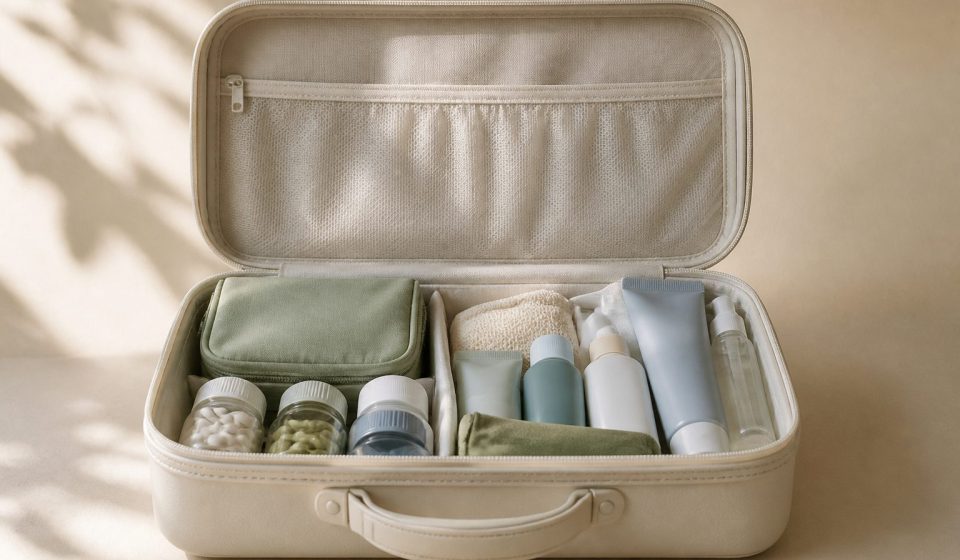
19. What should I pack in a travel health kit?
Depending on your destination and personal needs, a travel health kit may include prescribed medications, basic first-aid supplies, sunscreen, insect repellent, hand sanitizer, and relevant health documents.
20. What is the best way to stay healthy while traveling?
Plan ahead, understand destination-specific risks, stay hydrated, get enough rest, eat safely, remain physically active, protect yourself from environmental conditions, follow medication instructions, and listen to your body’s needs.
Comparing Common Travel Routine Disruptions
| Routine | Typical Disruption During Travel | Approximate Duration of Adjustment | Possible Solutions |
|---|---|---|---|
| Sleep Schedule | Jet lag, irregular bedtimes, noisy environments | 1-7 days | Gradual time adjustment, eye masks, earplugs |
| Meal Times | Irregular eating, unfamiliar foods, skipped meals | Immediate to 3 days | Pack snacks, set reminders for meals |
| Hydration | Reduced water intake, increased dehydration (especially on flights) | Immediate, symptoms may persist 1-2 days | Carry refillable bottle, drink water regularly |
| Exercise | Less time or space for activity, travel fatigue | 1-5 days | Short walks, bodyweight exercises in room |
| Medication | Time zone changes, missed doses | 1-3 days to reestablish routine | Set alarms, use pill organizers |
How Travel Routine Changes Differ in the United States, UK, and India
The impact of travel on health routines can vary between the United States, the UK, and India due to differences in infrastructure, cultural norms, and available amenities. In the United States, travelers often have access to 24-hour convenience stores and fitness centers, which can make it easier to maintain meal and exercise routines. In the UK, public transport is widely used, and hotel accommodations may be smaller, which sometimes limits exercise options but generally makes it easy to find healthy food choices. In India, travel can involve longer transport times and larger time zone differences when crossing the country, and dietary options may be more limited for travelers with specific needs. Access to clean drinking water may also be a greater concern in some regions of India than in the US or UK, so hydration routines may require extra attention. Each country presents unique challenges, so planning ahead is important no matter the destination.
This article is general health information and not medical advice. Speak with a qualified clinician about your own situation.