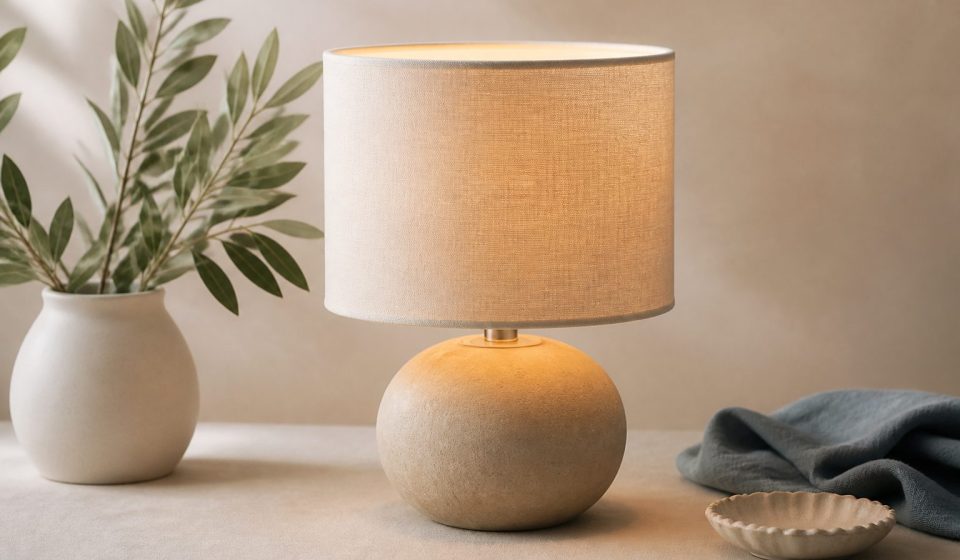
Learn how indoor lighting affects daily comfort, focus, mood, sleep quality, and your body clock, plus simple ways to create a healthier lighting routine at home.
Indoor lighting is an important part of modern life, but it is easy to overlook how strongly light can influence the way we feel throughout the day. From the brightness of a workplace to the lights used in kitchens, bedrooms, and living rooms, indoor illumination affects how comfortably we see, how easily we perform visual tasks, and how our brains respond to the time of day. Light is also one of the major environmental signals that helps regulate the body’s circadian rhythm, which influences when we feel awake and when we become sleepy. The National Heart, Lung, and Blood Institute (NHLBI) explains that light and darkness help synchronize the body’s internal clock, while artificial light can interfere with this process when exposure occurs at inappropriate times.
The effect of lighting becomes especially important in the evening. Bright indoor lights, television screens, computers, smartphones, and other illuminated devices can provide strong signals that it is still daytime, potentially making it harder for the body to transition toward sleep. On the other hand, appropriate daytime light exposure can support alertness and help maintain a healthier sleep-wake pattern. Understanding the relationship between indoor lighting, visual comfort, daily habits, and sleep can help people create environments that feel better during the day and are more supportive of restful nights.
Why Lighting Matters for Everyday Wellness
Lighting does more than simply help us see. The human body continuously receives environmental information through the eyes, including information about light and darkness. These signals help regulate the circadian rhythm, a roughly 24-hour cycle that influences sleepiness, alertness, hormone activity, and other daily biological processes.
Because most people spend a large amount of time indoors, artificial lighting becomes an important part of this daily environment. During the day, sufficient light can help support alertness. At night, however, excessive or poorly timed light may make it harder for the brain to recognize that it is time to wind down.
This means that lighting choices can affect everyday comfort and sleep habits even when people do not consciously notice the connection.
How Indoor Lighting Affects Visual Comfort
One of the most immediate effects of indoor lighting is visual comfort. Poor lighting can make reading, working, cooking, studying, or using digital devices more difficult. Lighting that is too dim may require greater visual effort, while very bright sources or strong reflections can create glare.
WHO housing guidance has emphasized the importance of visual comfort, including controlling glare, maintaining appropriate brightness distribution, and reducing flicker where it affects comfort and work efficiency.
A comfortable indoor environment should provide enough light for the task without creating unnecessary brightness differences or direct glare. For example, a person reading at a desk may need more focused illumination than someone relaxing in a living room.
The best lighting arrangement therefore depends on the activity, room, time of day, and individual needs.
The Connection Between Light and the Body Clock
The circadian rhythm is one of the most important reasons lighting deserves attention. The body’s internal clock relies heavily on environmental cues, especially light and darkness. Light received through the eyes sends signals to the brain that help distinguish daytime from nighttime.
When it becomes dark, the body begins to shift toward a state that supports sleep. Melatonin, a hormone associated with sleepiness, normally increases as evening progresses. Bright artificial light late at night can interfere with this natural transition by signaling continued wakefulness.
This does not mean every indoor light will automatically cause sleep problems. Rather, the timing, intensity, duration, and individual sensitivity to light all matter.
Why Bright Light at Night Can Affect Sleep
Evening is the time when lighting choices become particularly important. A brightly lit home can make the environment feel more like daytime, especially when overhead lights, television screens, computers, phones, and other bright sources are used close to bedtime.
NHLBI recommends making the bedroom sleep-friendly by keeping it cool, quiet, and dark, and avoiding television and electronic devices because their light can interfere with the sleep-wake cycle.
Research summarized by NHLBI also indicates that traditional indoor lighting and light emitted by digital screens can interfere with the natural preparation for sleep.
For people who already struggle to fall asleep, reducing unnecessary brightness during the evening may be a simple environmental adjustment worth considering.
Daytime Light Can Support Alertness
Healthy lighting habits are not only about reducing light at night. Getting enough bright light during the day is also important.
The CDC’s National Institute for Occupational Safety and Health recommends spending time outdoors in daylight, noting that exposure to bright light earlier in the day can be helpful for sleep and alertness. Even outdoor light on a cloudy day can be brighter than typical indoor illumination.
NHLBI similarly describes daylight as a key environmental signal for aligning the body’s biological rhythm with daytime activity.
This creates an important balance: brighter, natural light during the day and progressively dimmer, less stimulating light as bedtime approaches.
How Indoor Lighting Can Affect Evening Routines
Many evening habits naturally take place under artificial lighting. People may prepare dinner, complete household tasks, watch television, work from home, study, or scroll on their phones. When these activities continue under strong illumination until bedtime, there may be very little change between daytime and nighttime lighting.
A predictable reduction in light can instead become part of a bedtime routine.
For example, a household might use brighter lighting during cooking and cleaning, then shift toward softer and more localized lighting while relaxing or preparing for bed. This does not guarantee better sleep, but it can make the environment more consistent with the body’s natural transition toward nighttime.
Lighting and Productivity During the Day
Light can influence how awake and focused a person feels. Insufficient daytime light can contribute to a less stimulating environment, while adequate brightness can support visual tasks and alertness.
NHLBI explains that the body’s internal clock uses light as a timing signal, and bright light during the day helps support wakefulness.
This is particularly relevant for people who spend most of their working or studying hours indoors. Sitting near windows, opening curtains, spending part of the day outdoors, or using appropriate indoor illumination may provide stronger daytime light cues.
The objective is not simply to make a room as bright as possible. Good lighting should match the task while maintaining visual comfort.
The Role of Bedroom Lighting
The bedroom is one of the most important places to consider lighting because its primary purpose is often rest and sleep.
NHLBI recommends a dark sleep environment and suggests reducing exposure to bright artificial light before bed.
Small sources can also matter. Bright alarm clocks, hallway lighting, outdoor streetlights entering through windows, and standby lights from electronics may add unwanted nighttime illumination.
Using curtains or blinds, turning off unnecessary lights, and keeping electronic displays away from the direct field of view can help create a darker sleeping environment.
Warm and Dim Lighting in the Evening
The visual appearance of light also affects how an environment feels. Cooler, brighter lighting is commonly associated with active environments such as offices, classrooms, or work areas, while warmer and dimmer lighting is often used to create a more relaxed atmosphere.
Although color temperature alone does not determine sleep quality, reducing the overall brightness of indoor lighting in the evening is a practical strategy consistent with healthy circadian-light principles.
NIOSH guidance notes that dimming lights before bedtime can make it easier to transition toward sleep, while bright light soon after waking can support alertness.
Digital Screens Add Another Source of Light
Modern lighting habits cannot be discussed without considering screens. Smartphones, tablets, laptops, televisions, and other devices emit light and are often used late at night.
NHLBI specifically identifies bright artificial light from televisions, smartphones, computers, and very bright alarm clocks as potential disruptors of the body’s sleep-wake cycle.
Reducing screen brightness, using night settings, limiting unnecessary screen exposure before bed, and avoiding prolonged device use in a completely dark room may create a more comfortable nighttime environment.
However, screen content itself can also be stimulating, so reducing brightness is only one part of creating a good bedtime routine.
Lighting and Children
Children and teenagers also depend on regular light-dark signals to establish healthy sleep routines. Because they often use phones, tablets, televisions, and computers, evening screen exposure may become an important part of their nighttime environment.
Creating predictable bedtime routines, reducing bright lights before sleep, and encouraging daylight exposure during the day can help establish stronger distinctions between daytime activity and nighttime rest.
Parents can support these habits by keeping bedrooms darker at night and gradually reducing household lighting as bedtime approaches.
Older Adults and Indoor Lighting
Lighting can become especially important with age because changes in the body’s circadian system may influence sleep patterns. NHLBI notes that circadian rhythms and their timing can change with aging, and reduced time outdoors may also affect circadian rhythms.
Older adults may also have greater difficulty seeing in low-light conditions, which creates a balance between nighttime darkness and safe movement around the home.
For example, while the bedroom should generally be dark enough to support sleep, low-level lighting along pathways may help reduce the risk of falls when someone needs to get up during the night.
Practical Ways to Improve Indoor Lighting
Creating a healthier lighting environment does not require expensive smart-home equipment. Small changes can make indoor spaces more comfortable.
During the day, open curtains or blinds and spend time near natural daylight when possible. Use adequate lighting for reading, working, cooking, and other visual tasks.
As evening approaches, gradually reduce unnecessary overhead lighting. Choose softer or more localized illumination when possible. Keep televisions and other screens from becoming the brightest objects in the room.
Before bedtime, make the bedroom as dark as practical. Block unwanted outdoor light, turn off unnecessary electronics, and avoid very bright lights when getting ready for bed.
These habits create stronger visual cues that distinguish daytime from nighttime.
Smart Lighting and Modern Homes
Smart lighting systems are becoming increasingly common and can be programmed to change brightness and color throughout the day.
NHLBI research discussions have highlighted the development of lighting technologies designed to mimic aspects of natural daylight and better support biological rhythms.
For households using smart bulbs, automated schedules can be used to provide brighter illumination during active daytime hours and gradually dim the environment in the evening.
Technology, however, is not required. A simple lamp, dimmer switch, curtain, or consistent lighting schedule can achieve many of the same practical goals.
Common Lighting Mistakes to Avoid
One common mistake is using very bright overhead lighting late at night. Another is keeping the bedroom illuminated with television screens, phones, decorative lights, or bright electronic displays.
Another problem is spending almost the entire day in dim indoor lighting. The circadian system benefits from a clear difference between the relatively bright daytime and the darker nighttime environment.
It is also possible to create discomfort through excessive glare. A light source that shines directly into the eyes or reflects strongly from a screen or surface can make prolonged visual tasks harder.
Good lighting is therefore about balance rather than maximum brightness.
When Sleep Problems May Need Professional Attention
Lighting can influence sleep habits, but it is not the only factor involved. Stress, medications, medical conditions, work schedules, caffeine, physical activity, and many other factors can contribute to sleep difficulties.
NHLBI notes that persistent problems with sleep and circadian timing may sometimes represent a sleep or circadian rhythm disorder.
If difficulty sleeping continues despite healthy sleep habits, it is appropriate to discuss the problem with a healthcare professional. Ongoing insomnia, excessive daytime sleepiness, or significant disruption to daily life should not automatically be blamed on lighting alone.
Source
NHLBI – Your Sleep/Wake Cycle
NHLBI – Healthy Sleep Habits
NHLBI – Circadian Rhythm Disorders: Treatment
Conclusion
Indoor lighting has a greater influence on everyday comfort and sleep habits than many people realize. Light helps the body distinguish between daytime and nighttime, supports alertness during the day, and contributes to the timing of the sleep-wake cycle. Bright artificial light late in the evening can interfere with the body’s natural preparation for sleep, while appropriate daytime light exposure can reinforce healthy circadian timing.
A healthier lighting routine does not require major lifestyle changes. Increasing exposure to natural daylight during the day, using comfortable task lighting, reducing unnecessary brightness in the evening, limiting bright screens before bedtime, and keeping the bedroom dark can all help create a more supportive environment. The key is to create a clear difference between active daytime lighting and calmer nighttime lighting, while also considering personal visual comfort and safety.
FAQ
1. Can indoor lighting affect sleep quality?
Yes. Bright artificial light, especially in the evening, can interfere with the body’s sleep-wake cycle and make it harder for some people to fall asleep.
2. Why is natural light important during the day?
Natural daylight provides strong environmental signals that help align the body’s circadian rhythm with daytime and nighttime. Bright daytime light can also support alertness.
3. Should bedroom lights be completely off at night?
A dark bedroom is generally recommended as part of good sleep habits. However, safety lighting may be useful for people who need to move around during the night, particularly older adults.
4. Does phone light affect sleep?
Bright smartphone and other device light can interfere with the sleep-wake cycle, particularly when used close to bedtime.
5. Is dim lighting better before bed?
Reducing indoor brightness in the period before bedtime can help create an environment that is more consistent with the body’s natural transition toward sleep.
6. Can poor lighting cause eye discomfort?
Lighting that is too dim, excessively bright, or creates glare can make visual tasks less comfortable. Appropriate task lighting and reduced glare can improve visual comfort.
7. Should I use warm-colored bulbs at night?
Warmer, lower-intensity lighting can create a calmer evening environment, but overall brightness and the timing of light exposure are also important factors.
8. Can indoor lighting affect daytime energy?
Light is an important signal for the circadian system and helps support daytime alertness. Spending time in bright natural light during the day can be beneficial.
9. What is the best lighting for a bedroom?
A bedroom should generally be comfortable, quiet, cool, and dark. Minimize unnecessary light from lamps, screens, electronics, and outdoor sources.
10. What is the simplest way to improve lighting habits?
Get more natural daylight during the day and gradually reduce artificial light and screen brightness in the evening. Keeping the bedroom dark at night can also support healthier sleep habits.
Comparison of Lighting Types and Their Effects on Comfort and Sleep
| Lighting Type | Color Temperature (Kelvin) | Typical Cost (USD per bulb) | Best Use Time | Impact on Sleep Quality |
|---|---|---|---|---|
| Incandescent | 2,700–3,000 | $1–$4 | Evening | Minimal interference if dimmed; warm light is less disruptive |
| LED (Cool White) | 4,000–6,500 | $2–$10 | Daytime | Can delay sleep if used at night due to blue light content |
| LED (Warm White) | 2,700–3,000 | $2–$10 | Evening | Less likely to affect melatonin or sleep onset |
| Fluorescent | 3,500–6,500 | $1–$6 | Daytime/Workspaces | May cause glare or discomfort; cool tones can disrupt sleep if used late |
| Smart Bulbs (Adjustable) | 2,200–6,500 | $10–$30 | Any (customizable) | Can be optimized for both alertness and relaxation; supports healthy routines |
How Lighting and Sleep Recommendations Differ by Country
Approaches to indoor lighting and sleep quality can vary between countries such as the United States, the United Kingdom, and India. In the United States, there is a strong emphasis on energy-efficient lighting, and many homes use LED bulbs with adjustable settings to support both daytime alertness and evening relaxation. Guidance often highlights limiting bright or blue-toned light in the evening to support sleep.
In the United Kingdom, similar recommendations are common, with a focus on reducing screen time and bright artificial lighting before bed. However, older homes may still use halogen or traditional incandescent bulbs more frequently than in the U.S.
In India, lighting practices can be influenced by regional electricity availability, cost, and climate. Many households rely on compact fluorescent or affordable LED bulbs. Less emphasis is often placed on circadian-friendly lighting, though urban areas are increasingly adopting sleep-friendly lighting habits. Cultural routines, such as late evening social activities or prayer, may also shape how lighting is used at night.
This article is general health information and not medical advice. Speak with a qualified clinician about your own situation.