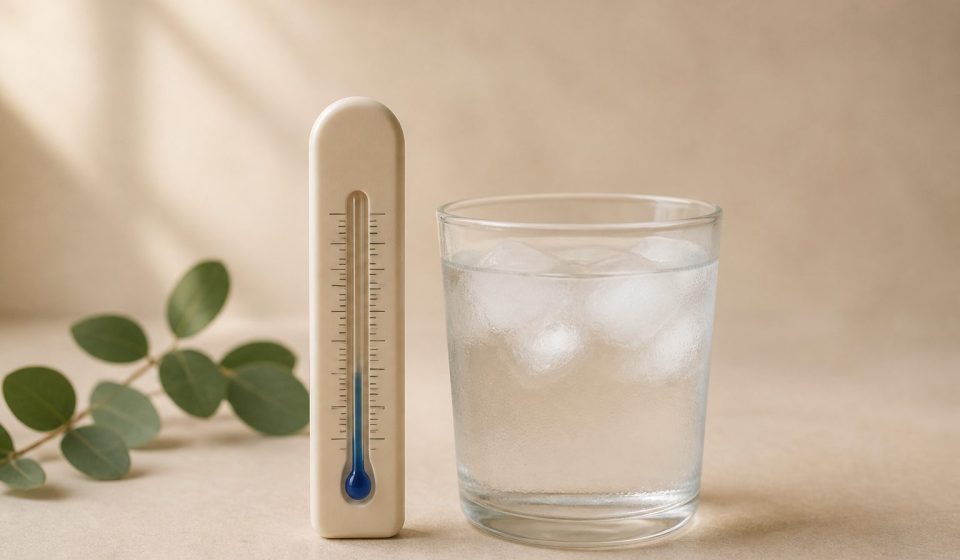
Discover how extreme heat and cold challenge the human body, affect temperature regulation, hydration, circulation, breathing, and overall health, plus practical ways to stay safe.
The human body works continuously to maintain a stable internal temperature, even when the surrounding environment becomes extremely hot or cold. This ability, known as thermoregulation, allows the body to function properly despite changes in weather and environmental conditions. However, when temperatures move too far outside a comfortable range, the body must work much harder to maintain its normal temperature. Extreme heat can increase the risk of dehydration, heat exhaustion, heatstroke, cardiovascular strain, and other health complications, while extreme cold can lead to excessive heat loss, hypothermia, frostbite, and problems with circulation.
Temperature extremes do not affect everyone in the same way. Age, existing health conditions, physical activity, hydration, clothing, humidity, wind, and the duration of exposure can all influence how the body responds. Understanding how the body reacts to extreme temperatures is important for protecting health, recognizing early warning signs, and making safer decisions during heatwaves, cold spells, travel, outdoor activities, and physically demanding work.
Understanding the Body’s Temperature Regulation System
The human body normally keeps its core temperature within a relatively narrow range. The brain, particularly the hypothalamus, plays an important role in monitoring body temperature and coordinating responses that either release or conserve heat.
When the body becomes too warm, blood vessels near the skin can widen, allowing more heat to escape from the body’s surface. Sweating also helps cool the body because evaporation of sweat removes heat from the skin. When the body becomes too cold, blood vessels near the skin narrow to reduce heat loss, while shivering produces additional heat through rapid muscle contractions.
These mechanisms are highly effective under normal conditions, but they have limits. Extreme environmental temperatures, high humidity, strong winds, wet clothing, dehydration, and prolonged exposure can overwhelm the body’s ability to maintain thermal balance.
How Extreme Heat Challenges the Human Body
Extreme heat places significant stress on the body’s cooling system. The problem becomes especially serious when high temperatures are combined with high humidity because sweat does not evaporate as efficiently. This reduces one of the body’s most important cooling mechanisms.
As the body attempts to release heat, the heart may need to work harder to circulate blood toward the skin. At the same time, sweating causes the loss of water and electrolytes. If fluid and electrolyte losses become excessive, dehydration and heat-related illness can develop.
According to the World Health Organization, heat stress can place additional strain on the cardiovascular and kidney systems and can worsen existing cardiovascular, respiratory, diabetes-related, and other chronic health conditions.
Heat Exhaustion and Heatstroke
Heat exhaustion can occur when the body loses substantial amounts of water and salt through sweating. Common symptoms can include heavy sweating, weakness, headache, dizziness, nausea, thirst, and reduced urine output.
If heat exposure continues and the body’s temperature-control system becomes overwhelmed, heatstroke can occur. Heatstroke is a medical emergency because very high body temperatures can damage the brain and other organs.
Warning signs may include confusion, altered mental status, loss of consciousness, seizures, extremely high body temperature, and hot skin. Immediate medical attention is essential when heatstroke is suspected.
Dehydration During Extreme Heat
Dehydration is one of the most important concerns during hot weather. The body loses fluid through sweating, breathing, and normal bodily processes. During intense heat or physical activity, these losses can increase significantly.
Mild dehydration may cause thirst, tiredness, headache, dizziness, or reduced concentration. More serious dehydration can interfere with circulation and kidney function and can contribute to heat-related illness.
Staying hydrated is particularly important during prolonged outdoor activity. However, individual fluid requirements vary depending on activity, weather conditions, health status, and other factors.
How Extreme Cold Challenges the Human Body
Cold temperatures create the opposite problem: instead of struggling to remove heat, the body must work to conserve and generate it.
When exposed to cold, blood vessels near the skin constrict, reducing blood flow to the skin and limiting heat loss. Shivering is another natural response. Rapid muscle contractions generate heat and can temporarily help raise body temperature.
However, prolonged exposure can eventually overwhelm these defenses. The body may lose heat faster than it can produce it, causing core temperature to fall.
Understanding Hypothermia
Hypothermia occurs when the body’s core temperature drops below the normal range. The CDC identifies a core temperature below 35°C (95°F) as hypothermia.
Early signs can include shivering, tiredness, clumsiness, and confusion. As hypothermia becomes more severe, thinking and movement can become increasingly impaired. In serious cases, shivering may stop and a person may lose consciousness.
Cold exposure does not always require extremely low air temperatures. Wet clothing, rain, cold water, wind, and prolonged exposure can accelerate heat loss and increase risk.
Frostbite and Cold-Related Injuries
Extreme cold can also damage tissues that are exposed to freezing conditions. Fingers, toes, ears, nose, and other exposed areas are particularly vulnerable.
Cold-related injuries can also include chilblains and trench foot, depending on the environment and exposure conditions. Wet clothing can increase heat loss, while wind can make cold exposure more dangerous by accelerating the removal of body heat.
Protective clothing, dry layers, shelter, and appropriate preparation can significantly reduce these risks.
Why Humidity and Wind Matter
Temperature alone does not determine how stressful an environment is for the human body.
Humidity is particularly important during hot weather. When humidity is high, sweat evaporates more slowly, reducing the body’s ability to cool itself.
Wind has a different effect in cold conditions. Moving air can increase heat loss from the body, making a cold environment feel significantly colder. Wet clothing can make this effect even stronger.
Therefore, weather conditions should be considered as a combination of temperature, humidity, wind, sunlight, clothing, and duration of exposure rather than relying on temperature alone.
Who Is More Vulnerable to Temperature Extremes?
Some people have a higher risk of complications during extreme temperatures. Older adults, infants and young children, people with chronic medical conditions, outdoor workers, and individuals who are physically active in extreme weather may require additional precautions.
People with cardiovascular, respiratory, kidney, or other chronic conditions may experience greater health risks during extreme heat. Certain medications may also affect how the body responds to heat or changes in fluid balance.
In cold conditions, people without adequate shelter, appropriate clothing, or access to heating may be particularly vulnerable.
Temperature Extremes and Cardiovascular Health
Extreme temperatures can place additional demands on the cardiovascular system.
During extreme heat, the body increases blood flow toward the skin to release heat. The heart may therefore need to work harder. Dehydration can further affect circulation and place additional stress on the cardiovascular system.
Cold exposure can cause blood vessels to narrow, which may increase cardiovascular strain in susceptible individuals. These effects help explain why people with existing cardiovascular problems may need to take extra precautions during temperature extremes.
Temperature Extremes and Respiratory Health
Temperature extremes can also affect breathing and respiratory health.
Hot weather can worsen air-quality problems because heat can contribute to the formation of certain pollutants. People with respiratory conditions may therefore experience additional difficulties during extreme heat.
Cold air can also irritate the airways and may make breathing uncomfortable for some individuals, particularly those with asthma or other respiratory conditions.
Protecting indoor air quality and reducing unnecessary exposure during severe weather can help lower these risks.
The Importance of Acclimatization
The body can gradually adapt to repeated exposure to certain environmental conditions. This process is known as acclimatization.
For example, people who gradually become accustomed to hot environments may develop physiological adaptations that improve their ability to tolerate heat. However, acclimatization does not make a person completely protected from extreme temperatures.
Sudden exposure to unusually high or low temperatures can still create significant stress, particularly when someone is not prepared for the conditions.
How Physical Activity Increases Temperature Stress
Exercise and physically demanding work generate internal heat. When combined with hot weather, this can make it much harder for the body to maintain a safe temperature.
Outdoor workers, athletes, construction workers, agricultural workers, and people performing strenuous activities may therefore face increased heat exposure.
In cold conditions, physical activity may initially generate additional warmth, but sweating can make clothing damp and increase heat loss once activity slows down. Appropriate clothing and regular monitoring of environmental conditions are therefore important.
Practical Ways to Protect Yourself From Extreme Heat
Several basic precautions can reduce heat-related risks:
- Drink fluids regularly according to your needs and circumstances.
- Avoid unnecessary strenuous activity during the hottest part of the day.
- Take breaks in cooler or shaded environments.
- Wear lightweight, breathable clothing during hot weather.
- Pay attention to heat warnings and local weather information.
- Check on older adults, children, and vulnerable individuals during severe heat.
- Recognize early symptoms of heat exhaustion.
- Seek urgent medical help if heatstroke is suspected.
Practical Ways to Protect Yourself From Extreme Cold
Cold-weather safety also requires preparation:
- Wear several appropriate layers rather than relying on a single layer.
- Keep clothing dry whenever possible.
- Protect the head, hands, feet, and face in very cold environments.
- Do not ignore persistent shivering.
- Seek warm shelter when exposure becomes prolonged.
- Change wet clothing quickly.
- Be especially cautious around cold water.
- Monitor vulnerable family members during severe cold.
Why Early Warning Signs Should Never Be Ignored
One of the most important aspects of temperature safety is recognizing when the body is struggling.
During heat exposure, unusual weakness, dizziness, headache, nausea, heavy sweating, confusion, or fainting should not be dismissed as normal discomfort.
During cold exposure, persistent shivering, confusion, clumsiness, unusual tiredness, and reduced coordination can indicate that the body is losing too much heat.
Early recognition allows people to move away from the environmental stressor before the condition becomes more serious.
The Growing Importance of Temperature Awareness
Extreme temperature events are becoming an increasingly important public-health concern. The CDC reports that extreme heat events are becoming more frequent and intense, while WHO notes that temperature extremes can produce significant health impacts.
This makes temperature awareness important not only during outdoor activities but also in homes, workplaces, schools, travel situations, and community settings.
Preparing in advance can reduce preventable health risks. Understanding local weather warnings, having suitable clothing, maintaining access to fluids and cooling or heating, and knowing the warning signs of temperature-related illness can all contribute to better protection.
Conclusion
Temperature extremes challenge the human body by pushing its natural temperature-regulation systems beyond their normal limits. Extreme heat can interfere with cooling, increase fluid loss, strain the heart and kidneys, and lead to heat exhaustion or potentially life-threatening heatstroke. Extreme cold can cause rapid heat loss, impair coordination and thinking, and increase the risk of hypothermia and cold-related injuries.
The effects of temperature extremes depend on more than the thermometer reading. Humidity, wind, clothing, physical activity, hydration, duration of exposure, age, health conditions, and acclimatization all influence how the body responds. By understanding these factors and recognizing early warning signs, people can take practical steps to reduce their risk. Temperature awareness, preparation, and timely action are essential parts of protecting health during extreme weather.
FAQ
1. How does extreme heat affect the human body?
Extreme heat makes it harder for the body to release excess heat. Sweating, increased blood flow to the skin, and increased cardiovascular effort help cool the body, but prolonged or intense heat can overwhelm these mechanisms and cause heat-related illness.
2. What is the difference between heat exhaustion and heatstroke?
Heat exhaustion generally involves excessive sweating, weakness, dizziness, headache, nausea, and dehydration. Heatstroke is much more serious and can involve confusion, altered mental status, seizures, loss of consciousness, and dangerously high body temperature. Heatstroke requires emergency medical attention.
3. What happens to the body in extreme cold?
The body attempts to conserve heat by narrowing blood vessels and generating heat through shivering. Prolonged exposure can cause body temperature to fall and may lead to hypothermia.
4. Can humidity make extreme heat more dangerous?
Yes. High humidity reduces the evaporation of sweat, making it harder for the body to cool itself. This can increase the risk of heat stress.
5. Can hypothermia happen without freezing temperatures?
Yes. Prolonged exposure to cold, wet clothing, rain, wind, or cold water can cause significant heat loss even when temperatures are not extremely low.
6. Who is most vulnerable to extreme temperatures?
Older adults, young children, people with chronic health conditions, outdoor workers, and people exposed to extreme weather for long periods may face greater risks.
7. Why is hydration important during hot weather?
Sweating causes the body to lose water and electrolytes. Maintaining adequate fluid intake can help support normal body functions and reduce the risk associated with dehydration.
8. Why should shivering not be ignored?
Shivering is an early sign that the body is losing heat. Persistent or worsening shivering indicates that a person should seek warmth and reduce further cold exposure.
9. Can exercise increase the risks of temperature extremes?
Yes. Exercise generates internal heat and can increase sweating during hot weather. In cold conditions, sweating and wet clothing can increase heat loss after activity.
10. What is the best way to stay safe during extreme temperatures?
Monitor weather warnings, prepare appropriate clothing and shelter, manage physical activity, maintain appropriate hydration during heat, avoid prolonged cold exposure, and seek medical assistance when serious symptoms appear.
Comparing the Effects of Extreme Heat and Cold on the Human Body
| Factor | Extreme Heat | Extreme Cold |
|---|---|---|
| Common Health Risks | Heat exhaustion, heatstroke, dehydration, muscle cramps | Hypothermia, frostbite, chilblains, decreased coordination |
| Onset Time for Symptoms | Minutes to hours (can be rapid in direct sun or activity) | Minutes to hours (faster with wet clothing or wind) |
| Warning Signs | Heavy sweating, dizziness, nausea, weak pulse | Shivering, numbness, slurred speech, confusion |
| Recommended Immediate Actions | Move to shade, hydrate, cool body with water or fans | Get indoors, remove wet clothing, warm with blankets |
| Approximate Emergency Care Costs (U.S.) | $500–$2,500 depending on severity and treatment | $500–$2,500 depending on severity and treatment |
Differences in Coping With Temperature Extremes: United States, UK, and India
Countries like the United States, the UK, and India experience and respond to temperature extremes differently due to climate, infrastructure, and resources. In the United States, air conditioning is commonly used during heatwaves, and most homes are well-insulated for cold weather. Emergency services are widely available, and public health advisories are common. The UK typically has milder temperature extremes, but homes are often less equipped for very high heat, and air conditioning is less common. People in the UK may be more vulnerable during sudden heatwaves or cold snaps. In India, extreme heat is more frequent and can last longer, but access to cooling technologies like air conditioning is limited for many. Hydration and shade are vital, but rural areas may struggle with reliable access to water and healthcare during heatwaves. Cold weather challenges are more region-specific in India, affecting northern areas, where heating in homes is often minimal. Overall, strategies to manage temperature extremes depend on local climate, available resources, and public health infrastructure in each country.
This article is general health information and not medical advice. Speak with a qualified clinician about your own situation.