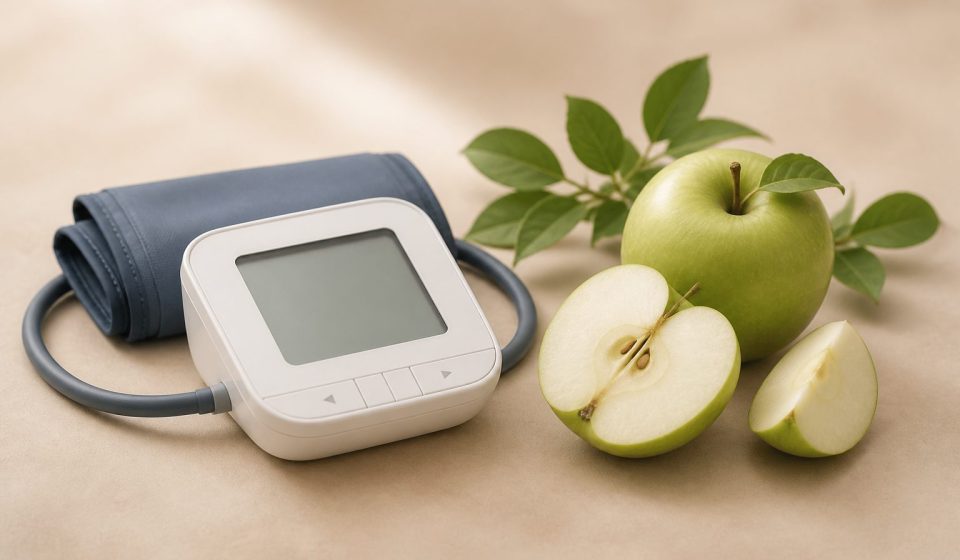
High blood pressure, also known as hypertension, is one of the most common health conditions affecting millions of people worldwide. Often referred to as the “silent killer,” high blood pressure can develop gradually without causing noticeable symptoms.
According to global health experts, uncontrolled high blood pressure is a major risk factor for heart disease, stroke, kidney failure, and premature death. The good news is that early detection and proper management can significantly reduce these risks. Understanding the warning signs, risk factors, and preventive measures can help individuals take control of their health before serious complications develop.
This comprehensive guide explores the early signs of high blood pressure that should never be ignored, along with practical strategies for prevention and long-term management.
What Is High Blood Pressure?
Blood pressure measures the force of blood pushing against the walls of the arteries as the heart pumps blood throughout the body.
Blood pressure is recorded using two numbers:
- Systolic pressure: The pressure when the heart beats.
- Diastolic pressure: The pressure when the heart rests between beats.
Normal blood pressure is generally considered to be around 120/80 mmHg.
Hypertension occurs when blood pressure remains consistently elevated over time, placing excessive strain on the cardiovascular system.
Why High Blood Pressure Is Called the Silent Killer
Unlike many medical conditions, high blood pressure often develops without obvious symptoms. A person may feel completely healthy while significant damage is occurring internally.
Over time, uncontrolled hypertension can lead to:
- Heart attacks
- Stroke
- Heart failure
- Kidney disease
- Vision problems
- Cognitive decline
- Peripheral artery disease
Because symptoms may not appear until complications arise, routine blood pressure monitoring is essential.
Common Early Signs of High Blood Pressure
Although many people experience no symptoms, some individuals may notice warning signs that should not be ignored.
Frequent Headaches
Persistent or recurring headaches can sometimes be associated with elevated blood pressure, particularly when blood pressure levels become severely high.
Headaches related to hypertension are often described as:
- Throbbing sensations
- Morning headaches
- Pain concentrated at the back of the head
While headaches can have many causes, frequent unexplained headaches warrant medical evaluation.
Dizziness and Lightheadedness
Some individuals with high blood pressure experience dizziness or feelings of lightheadedness.
Although dizziness alone does not confirm hypertension, it can indicate cardiovascular issues that require attention.
Shortness of Breath
Difficulty breathing during routine activities may occur when high blood pressure places extra strain on the heart and blood vessels.
Shortness of breath should always be evaluated by a healthcare professional, especially when accompanied by other symptoms.
Fatigue and Weakness
Uncontrolled hypertension can affect blood flow and oxygen delivery throughout the body.
As a result, individuals may experience:
- Persistent fatigue
- Reduced energy levels
- Difficulty concentrating
- General weakness
Although fatigue is common in many conditions, ongoing unexplained exhaustion should not be ignored.
Blurred Vision
High blood pressure can damage the delicate blood vessels in the eyes, leading to vision changes.
Possible symptoms include:
- Blurred vision
- Double vision
- Difficulty focusing
- Temporary vision loss
Vision problems may indicate hypertension-related eye damage and require prompt medical assessment.
Chest Discomfort
Chest pain or pressure can occur when high blood pressure affects the heart.
Symptoms may include:
- Tightness in the chest
- Discomfort during physical activity
- Pressure sensations
Chest pain should always be treated as a potential medical emergency.
Irregular Heartbeat
Some individuals with hypertension notice heart palpitations or irregular heart rhythms.
These sensations may feel like:
- Rapid heartbeat
- Fluttering in the chest
- Skipped heartbeats
Cardiovascular symptoms should be evaluated immediately.
Nosebleeds
Although uncommon, frequent nosebleeds may sometimes occur in individuals with significantly elevated blood pressure levels.
Recurring nosebleeds should be discussed with a healthcare provider.
Risk Factors for High Blood Pressure
Several factors increase the likelihood of developing hypertension.
Age
Blood pressure tends to rise as people get older.
Family History
Individuals with a family history of hypertension may have an increased risk.
Obesity
Excess body weight places additional strain on the cardiovascular system.
Physical Inactivity
Lack of exercise contributes to higher blood pressure levels.
High-Sodium Diet
Excessive salt intake can increase blood pressure by causing the body to retain fluid.
Smoking
Smoking damages blood vessels and significantly raises cardiovascular risk.
Excessive Alcohol Consumption
Heavy alcohol use can contribute to elevated blood pressure.
Chronic Stress
Long-term stress may negatively affect cardiovascular health and blood pressure regulation.
How High Blood Pressure Damages the Body
Hypertension affects multiple organs and body systems.
Heart Damage
High blood pressure forces the heart to work harder, increasing the risk of:
- Heart attacks
- Heart failure
- Enlarged heart
Brain Damage
Hypertension is a major cause of stroke and cognitive decline.
Kidney Damage
Elevated blood pressure can damage kidney blood vessels, reducing kidney function.
Eye Damage
Hypertension can cause retinal damage and vision problems.
Artery Damage
High blood pressure accelerates arterial narrowing and hardening.
The Importance of Early Detection
Early detection is one of the most effective ways to prevent complications from hypertension.
Benefits of early diagnosis include:
- Better treatment outcomes
- Lower risk of heart disease
- Reduced stroke risk
- Improved kidney health
- Better overall quality of life
Routine blood pressure checks are essential because symptoms may not appear until significant damage has occurred.
Diagnosing High Blood Pressure
Healthcare providers diagnose hypertension using blood pressure measurements taken during multiple visits.
Additional evaluations may include:
- Physical examinations
- Blood tests
- Urine testing
- Electrocardiograms (ECG)
- Kidney function assessments
These tests help determine overall cardiovascular health and identify underlying causes.
Lifestyle Changes That Help Lower Blood Pressure
Many cases of hypertension can be improved through healthy lifestyle habits.
Maintain a Healthy Weight
Weight loss often leads to significant reductions in blood pressure.
Follow a Heart-Healthy Diet
A nutritious diet should emphasize:
- Fruits
- Vegetables
- Whole grains
- Lean proteins
- Healthy fats
Reducing sodium intake is particularly important.
Exercise Regularly
Physical activity helps strengthen the heart and improve circulation.
Experts often recommend:
- Walking
- Cycling
- Swimming
- Strength training
Quit Smoking
Smoking cessation improves cardiovascular health almost immediately.
Limit Alcohol Consumption
Moderate alcohol intake helps reduce blood pressure risks.
Manage Stress
Effective stress management techniques include:
- Meditation
- Yoga
- Deep breathing exercises
- Mindfulness practices
Medical Treatment for Hypertension
When lifestyle changes alone are insufficient, healthcare providers may prescribe medications.
Common medications include:
- Diuretics
- ACE inhibitors
- Calcium channel blockers
- Beta blockers
- Angiotensin receptor blockers
Treatment plans are individualized based on age, health status, and risk factors.
Preventing High Blood Pressure
Prevention remains the best strategy for protecting long-term cardiovascular health.
Preventive measures include:
- Maintaining a healthy diet
- Staying physically active
- Monitoring blood pressure regularly
- Avoiding tobacco products
- Managing stress effectively
- Limiting alcohol consumption
- Maintaining a healthy weight
Consistent preventive habits can significantly reduce the risk of hypertension.
When to Seek Immediate Medical Attention
Certain symptoms may indicate a hypertensive emergency and require urgent medical care.
Seek immediate help if high blood pressure is accompanied by:
- Severe chest pain
- Difficulty breathing
- Sudden vision loss
- Severe headache
- Confusion
- Weakness on one side of the body
- Difficulty speaking
Prompt treatment can prevent life-threatening complications.
Source
https://www.heart.org
https://www.cdc.gov/bloodpressure
https://www.nih.gov
https://www.who.int
https://www.nhlbi.nih.gov
Conclusion
High blood pressure is a serious health condition that often develops silently but can lead to life-threatening complications if left untreated. Recognizing early warning signs such as headaches, dizziness, fatigue, blurred vision, chest discomfort, and shortness of breath can encourage timely medical evaluation and treatment. Regular blood pressure monitoring, healthy lifestyle habits, and appropriate medical care are essential for preventing long-term damage to the heart, brain, kidneys, and other organs. By taking proactive steps today, individuals can protect their cardiovascular health and enjoy a healthier future.
FAQ
What is high blood pressure?
High blood pressure, or hypertension, is a condition in which the force of blood against artery walls remains consistently elevated.
Why is high blood pressure called the silent killer?
Many people have hypertension without noticeable symptoms, allowing serious health damage to occur unnoticed.
What are the early signs of high blood pressure?
Possible warning signs include headaches, dizziness, fatigue, blurred vision, chest discomfort, shortness of breath, and irregular heartbeat.
Can high blood pressure cause serious health problems?
Yes, uncontrolled hypertension increases the risk of heart attacks, strokes, kidney disease, vision problems, and heart failure.
How is high blood pressure diagnosed?
Healthcare providers diagnose hypertension through repeated blood pressure measurements and additional medical evaluations when necessary.
Can lifestyle changes lower blood pressure?
Yes, healthy eating, regular exercise, weight management, smoking cessation, and stress reduction can significantly improve blood pressure levels.
How often should blood pressure be checked?
Adults should have their blood pressure checked regularly, especially if they have risk factors such as obesity, family history, or advancing age.
Comparing Blood Pressure Monitoring Methods
| Method | Average Cost (USD) | Time Required | Accuracy | Accessibility |
|---|---|---|---|---|
| Home Digital Monitor | $30–$100 (one-time purchase) | 1–2 minutes per reading | Moderate to High | Widely available for consumers |
| Manual (Aneroid) Monitor | $20–$60 (one-time purchase) | 2–5 minutes per reading | High (if used correctly) | Requires training to use |
| Pharmacy Kiosk | Free–$5 per use | 2–5 minutes per reading | Moderate | Available in many pharmacies |
| Doctor’s Office Visit | $80–$200 per visit (before insurance) | 10–30 minutes (including wait time) | Very High | Requires appointment |
| Ambulatory 24-hour Monitor | $150–$500 (may be covered by insurance) | 24 hours | Very High | Ordered by healthcare provider |
Differences in Blood Pressure Awareness and Management: United States, UK, and India
In the United States, home blood pressure monitors are widely available and often recommended for self-monitoring, with insurance sometimes covering costs for certain patients. Routine screening is also a standard part of most primary care visits. In the UK, blood pressure checks are commonly offered through the National Health Service (NHS) at clinics, pharmacies, and doctors’ offices, often at no extra cost to patients. Home monitoring is also encouraged, and some local programs provide monitors to those at higher risk. In India, while awareness is increasing, access to healthcare and blood pressure monitoring varies widely between urban and rural areas. Home monitors are available in urban centers, but cost can be a barrier. Community health screenings and outreach programs are growing, but regular monitoring is less common compared to the US and UK.
This article is general health information and not medical advice. Speak with a qualified clinician about your own situation.