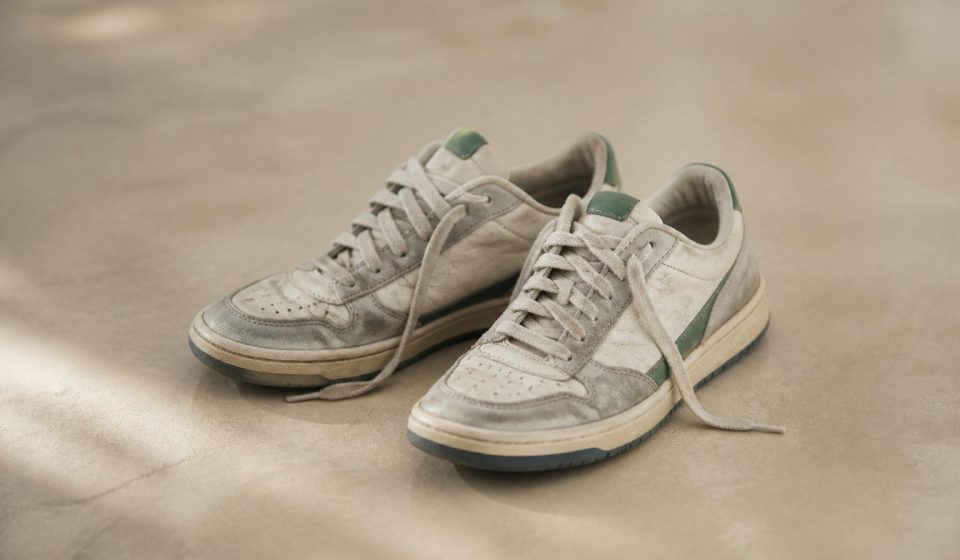
Learn how prolonged standing affects the body, including leg fatigue, foot discomfort, back pain and swelling, and discover practical ways to make standing periods more comfortable.
Standing is a normal part of everyday life, but spending several hours on your feet can place different demands on the body compared with sitting, walking or regularly changing positions. Many occupations, including retail, healthcare, hospitality, manufacturing and education, may require people to remain standing for long periods. After several hours, a person may notice tired legs, aching feet, lower-back discomfort or a general feeling of physical fatigue.
The body is designed for movement rather than remaining in one position for extended periods. Prolonged standing, particularly when movement is limited, can place continuous demands on muscles and contribute to discomfort in the legs, feet and back. Research reviewed by the CDC’s National Institute for Occupational Safety and Health (NIOSH) has linked prolonged workplace standing with increased reports of low-back pain, physical fatigue, muscle pain, leg swelling and other body discomfort. Understanding these effects can help people build healthier standing routines and reduce unnecessary physical strain.
What Happens to the Body When You Stand for a Long Time?
Standing requires the body to maintain an upright position against gravity. Even though standing may seem effortless, muscles in the legs, feet, hips, back and core remain involved in maintaining balance and posture.
When a person stands for a long period without changing position, these muscles may remain active for an extended time. This can contribute to fatigue and discomfort.
The effects can vary depending on:
- How long a person stands
- Whether they are standing still or moving
- The type of floor surface
- Footwear
- Body posture
- Work demands
- Individual fitness and health
- Availability of rest breaks
- Whether the person can alternate between sitting, standing and walking
This is why standing for two hours while occasionally walking around may feel very different from standing in one place for two hours.
Why Do Legs Feel Tired After Prolonged Standing?
Leg fatigue is one of the most common sensations associated with extended standing.
When a person remains upright, muscles around the ankles, calves, thighs and hips help stabilize the body. If the position remains relatively fixed, those muscles may not receive enough variation in activity.
As fatigue develops, the legs may feel heavy, tired or uncomfortable.
NIOSH’s review of prolonged standing found consistent reports of physical fatigue and muscle discomfort among workers who stand for extended periods.
Movement can make a difference because walking changes which muscles are active and prevents the body from remaining in exactly the same position.
Why Feet Can Hurt After Standing
The feet support the body’s weight throughout standing.
Long periods on hard surfaces can increase discomfort, especially when footwear does not provide appropriate support or cushioning.
A person may experience:
- Aching feet
- Heel discomfort
- Pressure around the soles
- General foot fatigue
- Discomfort in the toes
- Tiredness after walking or standing
Footwear is therefore an important part of a standing workstation.
Shoes should be comfortable and appropriate for the activity. Workers who must stand for many hours may benefit from footwear that fits properly and provides suitable support.
How Standing Can Affect the Lower Back
The lower back helps maintain an upright posture. When a person stands for a long time, especially in a fixed position, the muscles supporting the trunk may become fatigued.
Poor posture can increase discomfort.
For example, repeatedly leaning to one side, locking the knees, bending forward or standing with uneven weight distribution can create additional strain.
NIOSH reports that prolonged standing at work has been associated with increased reports of low-back pain.
This does not mean standing automatically causes back problems. Rather, the combination of long duration, limited movement and awkward posture can contribute to discomfort.
Why Leg Swelling Can Occur
Some people notice that their feet or lower legs appear swollen after spending a long time standing.
NIOSH’s review identified leg swelling as one of the outcomes reported in research on prolonged workplace standing.
Remaining upright for long periods can place additional demands on the circulatory system, particularly in the lower limbs. When movement is limited, the muscles of the legs are not being used as much to assist circulation as they would be during walking.
Temporary swelling may improve after resting and changing position, but persistent or significant swelling should not automatically be assumed to be caused by standing.
Standing Still Is Different From Moving
One of the most important distinctions is the difference between standing and being physically active.
A person who stands behind a counter for eight hours with very little movement is experiencing a different physical demand from someone who walks around for much of the same period.
NIOSH’s review concluded that dynamic movement appeared to be the best solution among the interventions considered for reducing problems associated with prolonged standing.
This highlights an important principle: the goal is not necessarily to replace all sitting with standing. The goal is to avoid staying in one position for too long.
Why Changing Positions Matters
The body generally benefits from variety.
Instead of remaining in exactly the same posture, people can alternate between:
- Standing
- Walking
- Sitting when appropriate
- Stretching
- Shifting weight
- Performing different work tasks
Changing positions allows different muscle groups to work and relax at different times.
For people with standing jobs, even small changes can make the workday feel more comfortable.
How Standing Can Affect the Knees and Hips
The knees and hips help support the body during standing.
Standing itself is not inherently harmful to healthy joints, but prolonged static positioning can contribute to discomfort, particularly when combined with repetitive work, awkward postures or other physical demands.
Workers may also repeatedly bend, reach, turn or lift while standing.
These movements can add to the overall physical workload.
The amount of discomfort a person experiences can therefore depend on the entire job rather than standing alone.
The Role of Footwear
Footwear can significantly influence comfort during long standing periods.
Poorly fitting shoes may create pressure points or contribute to foot discomfort. Shoes with appropriate fit and support can make prolonged standing more manageable.
People who work on hard floors may also find that suitable cushioning or workplace flooring reduces discomfort.
NIOSH identifies interventions such as floor mats and shoe inserts among approaches that have been used to reduce discomfort and fatigue associated with prolonged standing.
The best option depends on the workplace and individual needs.
Why Floor Surfaces Matter
Standing on concrete or other hard surfaces for several hours can feel different from standing on a more forgiving surface.
Hard flooring can increase the sensation of pressure through the feet and legs.
In workplaces where employees must remain in one location, suitable anti-fatigue floor mats may provide additional comfort.
However, a mat is not a replacement for movement. Regularly changing position and walking when possible remains important.
How Movement Can Reduce Standing Fatigue
Movement gives the body opportunities to change how muscles are being used.
Instead of standing completely still, a worker may be able to:
- Walk to another workstation
- Change tasks
- Shift weight between legs
- Take short walking breaks
- Perform gentle movements
- Sit during appropriate parts of the workday
- Use an adjustable workstation
These strategies can help reduce the amount of uninterrupted static standing.
Is Standing Better Than Sitting?
The answer is more complicated than simply choosing one over the other.
Sitting for excessive amounts of time is associated with health risks, and WHO recommends limiting sedentary behaviour and replacing some sedentary time with physical activity.
However, this does not mean that standing still for many hours is automatically healthier than sitting.
Research on prolonged occupational standing has identified potential problems associated with high levels of workplace standing, including physical fatigue, low-back pain and leg discomfort.
The healthier approach is often to move regularly and vary positions.
Standing Desks and Adjustable Workstations
Adjustable workstations can allow people to alternate between sitting and standing.
The advantage is flexibility.
Instead of being required to sit for the entire day or stand for the entire day, a person can change positions according to the task and comfort level.
A sit-stand workstation may be especially useful for computer-based work where the employee can alternate between seated and standing tasks.
However, standing continuously at the workstation is not the objective. Position changes and movement are more important than simply accumulating more standing time.
Why Breaks Matter
Breaks are valuable during long periods of standing.
A short break can provide an opportunity to sit, walk, stretch or simply change posture.
The exact break schedule depends on the job, workplace policies and individual needs.
Even when formal breaks are limited, small opportunities to change position can be useful.
For example, walking to another part of the workplace instead of remaining in one location can add movement without interrupting productivity significantly.
The Importance of Physical Fitness
A person’s physical condition can influence how they respond to prolonged standing.
People who regularly perform physical activity may have better muscular endurance and may tolerate certain activities more comfortably.
WHO recommends regular physical activity for adults and notes that physical activity can occur during leisure, transportation, work and household activities. Adults are generally advised to accumulate 150–300 minutes of moderate-intensity aerobic activity per week, or an equivalent combination of moderate and vigorous activity, along with muscle-strengthening activities on at least two days per week.
However, being physically active does not make someone immune to fatigue from prolonged standing.
Why Gradual Adaptation Can Help
Someone who normally sits for most of the day may find a sudden increase in standing uncomfortable.
The muscles and feet may not be accustomed to the new demand.
Increasing standing time gradually can give the body an opportunity to adapt.
The same principle applies to new jobs. If someone begins a role that requires several hours on their feet, appropriate footwear, movement breaks and gradual adaptation may help them become more comfortable.
When Standing Becomes Physically Demanding
Standing jobs can involve much more than simply staying upright.
A retail worker may stand while assisting customers. A healthcare worker may stand and walk between patients. A restaurant worker may stand while carrying dishes. A factory employee may stand while reaching, lifting or operating equipment.
These additional tasks increase the overall physical workload.
This is why workplace ergonomics should consider the entire job rather than focusing only on standing duration.
Standing During Pregnancy and Other Special Situations
Pregnancy can change how the body responds to prolonged standing. Changes in body weight, balance, circulation and physical comfort may make long standing more challenging.
People with existing medical conditions, circulation problems, significant joint issues or persistent swelling may also require individualized guidance.
In these situations, it is better to discuss work demands and activity levels with an appropriate healthcare professional rather than following generic advice.
Warning Signs That Should Not Be Ignored
Temporary tiredness after a long day on your feet is common, but some symptoms deserve medical attention.
Seek professional advice if you experience:
- Persistent or severe leg swelling
- Significant or unexplained pain
- Numbness or weakness
- Persistent back pain
- Skin colour changes
- Severe foot pain
- Symptoms that continue after rest
- Sudden swelling or pain in one leg
Sudden or severe symptoms should receive prompt medical evaluation rather than being automatically attributed to prolonged standing.
Practical Ways to Make Long Standing More Comfortable
People who need to stand for work can consider several practical strategies:
1. Change Position Frequently
Avoid staying completely still whenever possible.
2. Walk When Practical
Short periods of walking can provide movement and change muscle demands.
3. Choose Appropriate Footwear
Wear comfortable, properly fitting shoes suitable for the work environment.
4. Use Suitable Floor Support
Where appropriate, anti-fatigue mats can reduce discomfort on hard floors.
5. Alternate Tasks
If possible, switch between tasks that require different movements and postures.
6. Use Sit-Stand Options
An adjustable chair or workstation can allow workers to change positions.
7. Take Appropriate Breaks
Use scheduled breaks to sit, walk and recover.
8. Maintain General Physical Activity
Regular physical activity can support overall fitness and health, but it should complement—not replace—workplace movement strategies.
Building a Healthier Standing Routine
The key to managing prolonged standing is not to find one perfect posture and remain in it all day.
Instead, think of the workday as a series of different positions and movements.
Stand when standing is necessary. Walk when walking is possible. Sit when sitting is appropriate. Change tasks and shift posture throughout the day.
This approach recognizes that the human body is designed to move.
Source
CDC/NIOSH – Prolonged Standing at Work
CDC/NIOSH – Occupational Physical Activity and Health
WHO – Physical Activity
WHO – Guidelines on Physical Activity and Sedentary
Conclusion
Extended periods of standing can place continuous demands on the muscles, feet, legs and lower back. While standing is an important part of everyday movement and many occupations, remaining upright in one position for long periods may contribute to physical fatigue, muscle discomfort, low-back pain, leg swelling and foot discomfort. Research reviewed by NIOSH supports the importance of addressing prolonged static standing in workplace environments.
The solution is not necessarily to avoid standing or replace it completely with sitting. A healthier approach is to create more movement and position variety throughout the day. Walking, changing posture, taking appropriate breaks, using comfortable footwear and adjusting the workstation can all contribute to better comfort. Regular physical activity outside work can also support overall health and fitness.
Most importantly, persistent, severe or unusual symptoms should not simply be blamed on standing. Understanding the body’s response and making practical changes can help people manage standing demands while supporting long-term physical wellbeing.
FAQ
1. What happens to the body when you stand for a long time?
Prolonged standing can increase the workload on muscles that maintain posture and may contribute to leg fatigue, foot discomfort, low-back pain, muscle pain and leg swelling.
2. Is standing for long hours bad for your health?
Standing itself is not necessarily harmful, but prolonged static standing can contribute to discomfort and fatigue. NIOSH research has identified several health concerns associated with prolonged workplace standing.
3. Why do my legs hurt after standing all day?
The muscles of the legs remain active to support the body during standing. Remaining in one position for a long time can contribute to muscle fatigue and discomfort.
4. Can prolonged standing cause back pain?
It can contribute to low-back discomfort, particularly when standing is prolonged, movement is limited or posture is awkward. NIOSH has reported an association between prolonged workplace standing and low-back pain.
5. Is standing better than sitting?
Neither prolonged sitting nor prolonged static standing should be viewed as the ideal. The body benefits from regular movement and changes in position. WHO recommends limiting sedentary behaviour and replacing some sedentary time with physical activity.
6. How can I reduce fatigue from standing all day?
Change positions regularly, walk when possible, use comfortable footwear, take appropriate breaks and consider suitable floor support or an adjustable workstation.
7. Can standing cause swollen feet?
Prolonged standing can be associated with leg and foot swelling. However, significant, persistent or sudden swelling should be medically evaluated rather than automatically attributed to standing.
8. Are standing desks healthier than sitting desks?
Standing desks can provide an opportunity to change position, but continuously standing is not the goal. Adjustable sit-stand workstations can allow people to alternate between positions.
9. Does exercise help people who stand all day?
Regular physical activity can improve overall fitness and health. However, exercise does not eliminate the need for movement breaks, appropriate footwear and ergonomic adjustments during a standing job.
10. When should I see a doctor about standing-related discomfort?
Seek professional advice if pain or swelling is severe, persistent, unexplained or associated with numbness, weakness, skin colour changes or other concerning symptoms. Sudden or severe symptoms should receive prompt medical attention.
Comparing Strategies to Reduce Discomfort from Prolonged Standing
| Strategy | Approximate Cost | Time to Implement | Typical Benefit |
|---|---|---|---|
| Anti-Fatigue Mats | $30–$100 per mat | Immediate (once placed) | Reduces leg and foot discomfort by providing cushioning |
| Supportive Footwear | $50–$150 per pair | Immediate (after purchase) | Improves weight distribution and reduces pressure on feet |
| Scheduled Breaks | No direct cost | Depends on workplace policy | Allows muscles to rest and circulation to improve |
| Height-Adjustable Workstations | $100–$400 per station | Varies (typically 1–2 hours for setup) | Enables alternating between sitting and standing |
| Compression Socks | $10–$40 per pair | Immediate (once worn) | Helps reduce swelling and supports blood flow |
How Prolonged Standing Differs in the United States, the UK, and India
The impact and management of prolonged standing can differ depending on the country. In the United States, there are workplace guidelines for breaks and ergonomic standards in many industries, which may help reduce discomfort. Access to anti-fatigue mats and adjustable workstations is more common in larger businesses.
In the United Kingdom, health and safety regulations encourage employers to minimize risks from prolonged standing, and many workplaces provide rest areas and encourage job rotation. However, practices can vary widely between sectors.
In India, the availability of ergonomic supports such as anti-fatigue mats or adjustable workstations is less widespread, especially in small businesses or informal work settings. Workers may have fewer mandated breaks and less access to supportive footwear, increasing the risk of discomfort and related health problems compared to the US and UK.
This article is general health information and not medical advice. Speak with a qualified clinician about your own situation.