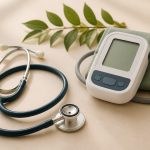
Healthcare clinics play a vital role in promoting community health and wellness. They serve as the foundation of preventive care, disease management, health education, and accessible medical services for individuals and families.
In today’s rapidly evolving healthcare landscape, community health clinics are more important than ever. They bridge gaps in healthcare access, offer affordable medical services, support preventive healthcare initiatives, and help address public health challenges. By focusing on early intervention, patient education, and comprehensive care, healthcare clinics contribute significantly to improving overall health outcomes and enhancing quality of life.
The Role of Healthcare Clinics in Modern Communities
Healthcare clinics serve as accessible healthcare centers where individuals can receive a wide range of medical services.
These services often include:
- Preventive care
- Routine health checkups
- Vaccinations
- Chronic disease management
- Health screenings
- Family medicine
- Women’s health services
- Pediatric care
By offering comprehensive care close to where people live and work, clinics help improve community-wide health outcomes.
Improving Access to Healthcare Services
One of the most important contributions of healthcare clinics is improving access to medical care.
Many individuals face barriers such as:
- Transportation challenges
- Financial limitations
- Lack of nearby hospitals
- Limited healthcare resources
Community clinics help reduce these barriers by providing convenient and affordable healthcare services.
Improved access encourages individuals to seek medical care earlier, leading to better health outcomes.
Supporting Preventive Healthcare
Preventive healthcare is essential for reducing disease risk and maintaining wellness.
Healthcare clinics promote prevention through:
- Annual wellness exams
- Routine screenings
- Vaccinations
- Lifestyle counseling
- Health education programs
Preventive services help identify health risks before they develop into serious conditions.
Early Detection of Diseases
Many health conditions develop silently without obvious symptoms.
Healthcare clinics provide screenings that help detect conditions such as:
- High blood pressure
- Diabetes
- High cholesterol
- Heart disease
- Certain cancers
Early detection allows for timely treatment and significantly improves the chances of successful management.
Managing Chronic Diseases Effectively
Chronic diseases are among the leading causes of illness worldwide.
Healthcare clinics play a crucial role in helping patients manage conditions such as:
- Diabetes
- Hypertension
- Asthma
- Arthritis
- Heart disease
Regular monitoring, medication management, and patient education help reduce complications and improve quality of life.
Promoting Health Education
Health education is a powerful tool for improving community wellness.
Healthcare clinics educate patients about:
- Nutrition
- Physical activity
- Disease prevention
- Mental health
- Medication management
- Healthy lifestyle habits
Informed individuals are better equipped to make decisions that support long-term health.
Encouraging Healthy Lifestyle Choices
Many chronic diseases are linked to lifestyle factors.
Healthcare providers encourage healthy behaviors such as:
- Regular exercise
- Balanced nutrition
- Smoking cessation
- Stress management
- Adequate sleep
These interventions can significantly reduce disease risk and improve overall wellness.
Providing Vaccination Services
Vaccinations are one of the most effective public health measures available.
Healthcare clinics help protect communities by providing:
- Childhood immunizations
- Adult vaccines
- Seasonal flu shots
- Travel vaccinations
High vaccination rates reduce the spread of infectious diseases and improve public health.
Supporting Maternal and Child Health
Healthcare clinics play a vital role in supporting mothers and children.
Services often include:
- Prenatal care
- Postnatal care
- Pediatric checkups
- Developmental screenings
- Immunizations
Early healthcare support contributes to healthier pregnancies and improved childhood development.
Enhancing Mental Health Services
Mental health is an essential component of overall wellness.
Many healthcare clinics offer support for:
- Anxiety
- Depression
- Stress management
- Behavioral health concerns
Early mental health intervention can improve quality of life and reduce long-term health complications.
Reducing Emergency Room Visits
Many medical issues can be addressed through primary care clinics before they become emergencies.
Regular healthcare visits help:
- Monitor chronic conditions
- Identify health concerns early
- Prevent complications
This reduces unnecessary emergency room visits and lowers healthcare costs.
Building Trust Within Communities
Healthcare clinics often become trusted healthcare resources within their communities.
Strong patient-provider relationships encourage:
- Better communication
- Greater treatment adherence
- Increased preventive care participation
Trust improves healthcare experiences and outcomes.
Addressing Health Disparities
Health disparities can occur when certain populations face challenges accessing quality healthcare.
Healthcare clinics help reduce disparities by providing:
- Affordable services
- Community outreach
- Culturally sensitive care
- Language assistance
These efforts help ensure that more individuals receive the healthcare they need.
Improving Public Health Outcomes
Community clinics contribute to public health by:
- Monitoring disease trends
- Supporting vaccination programs
- Promoting healthy behaviors
- Educating the public
These efforts help reduce illness rates and improve population health.
Encouraging Regular Health Assessments
Routine health evaluations are essential for maintaining wellness.
Healthcare clinics encourage individuals to schedule:
- Annual physical exams
- Blood pressure screenings
- Cholesterol testing
- Diabetes screenings
Regular assessments support early intervention and preventive care.
Supporting Aging Populations
As populations age, healthcare clinics become increasingly important.
Services for older adults may include:
- Chronic disease management
- Medication reviews
- Fall prevention assessments
- Wellness screenings
These services help older adults maintain independence and quality of life.
Promoting Family Health
Healthcare clinics often care for multiple generations within a family.
Family-centered services help:
- Coordinate healthcare
- Monitor hereditary health risks
- Promote healthy habits
Healthy families contribute to healthier communities.
Utilizing Technology for Better Care
Modern healthcare clinics increasingly use technology to improve patient care.
Examples include:
- Electronic health records
- Telehealth consultations
- Online appointment scheduling
- Remote patient monitoring
Technology enhances efficiency, accessibility, and patient engagement.
Supporting Community Wellness Programs
Many clinics participate in wellness initiatives such as:
- Health fairs
- Screening events
- Educational workshops
- Fitness programs
These activities encourage community involvement and health awareness.
Economic Benefits of Healthcare Clinics
Healthcare clinics contribute to local economies by:
- Creating jobs
- Reducing healthcare costs
- Improving workforce productivity
Healthier communities often experience greater economic stability and growth.
The Future of Community Healthcare
Healthcare clinics will continue to play a central role in improving public health.
Future developments may include:
- Expanded telehealth services
- Personalized healthcare plans
- Artificial intelligence-assisted diagnostics
- Enhanced preventive care programs
These innovations will further strengthen community wellness and healthcare accessibility.
Source
https://www.who.int
https://www.cdc.gov
https://www.nih.gov
https://www.health.gov
https://www.ahrq.gov
Conclusion
Healthcare clinics are essential pillars of healthy communities. Through preventive care, disease screening, chronic disease management, health education, vaccinations, and accessible medical services, clinics help individuals achieve better health outcomes and improved quality of life. They play a critical role in reducing healthcare disparities, promoting wellness, and supporting public health initiatives. As healthcare continues to evolve, community clinics will remain at the forefront of delivering patient-centered, accessible, and effective care. Investing in strong healthcare clinics ultimately leads to healthier individuals, stronger families, and more resilient communities.
FAQ
Why are healthcare clinics important for communities?
Healthcare clinics provide accessible medical services, preventive care, disease management, and health education that improve overall community wellness.
How do healthcare clinics support preventive healthcare?
They offer routine screenings, wellness exams, vaccinations, and lifestyle counseling to help prevent diseases before they become serious.
Can healthcare clinics help manage chronic diseases?
Yes, clinics provide ongoing monitoring, treatment plans, medication management, and patient education for chronic conditions.
How do clinics improve access to healthcare?
They offer convenient, affordable healthcare services that reduce barriers such as cost, distance, and limited medical resources.
Do healthcare clinics provide mental health services?
Many clinics offer mental health screenings, counseling referrals, and support for conditions such as anxiety and depression.
How do healthcare clinics benefit public health?
They support vaccination programs, health education initiatives, disease prevention efforts, and early disease detection.
What role do healthcare clinics play in community wellness?
Healthcare clinics promote healthy lifestyles, provide preventive care, support families, and improve overall health outcomes across communities.
Comparing Healthcare Clinic Services: Key Factors
| Factor | Community Clinics | Hospitals | Private Practices |
|---|---|---|---|
| Average Cost per Visit | $50–$150 (approximate, may offer sliding scale fees) | $200–$400 (approximate, higher for emergency services) | $100–$250 (approximate, depends on provider) |
| Waiting Time for Appointment | Same-day to 1 week (varies by demand) | Several hours (ER), 1–2 weeks (outpatient) | 1–7 days (depends on availability) |
| Range of Services | Comprehensive primary care, preventive services, screenings | Specialized care, surgeries, emergency care | Primary or specialty care, limited emergency services |
| Accessibility | Located in neighborhoods, walk-in options, extended hours | Centralized locations, limited to scheduled appointments | Varies, often requires appointments, less walk-in availability |
| Insurance Acceptance | Broad, often accepts Medicaid/Medicare, uninsured options | Wide range, but sometimes limited for uninsured patients | Varies, may not accept all insurance plans |
Differences Between the United States, the UK, and India
The structure and accessibility of healthcare clinics differ significantly among the United States, the UK, and India. In the United States, clinics often operate independently or as part of larger health networks, and patients may have to pay out-of-pocket costs or rely on insurance. In the UK, most community clinics are integrated into the National Health Service (NHS), providing free-at-the-point-of-use care for residents, with an emphasis on universal access and preventive services. In India, clinics range from government-run primary health centers offering low-cost or free care to private clinics, with large differences in quality and access depending on urban or rural location. These differences influence the affordability, availability, and comprehensiveness of clinic-based healthcare in each country.
This article is general health information and not medical advice. Speak with a qualified clinician about your own situation.