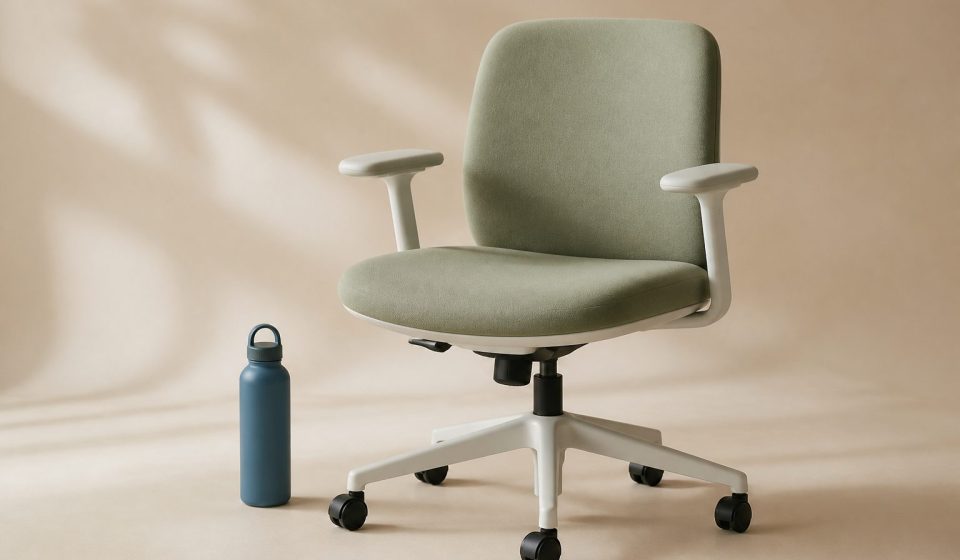
Learn why sitting too long is harmful and discover how reducing sedentary behavior can improve heart health, posture, metabolism, mental well-being, and overall fitness.
Modern lifestyles have made prolonged sitting a common part of daily life. Many people spend hours sitting at desks, driving, watching television, or using computers and smartphones. While sitting itself is not harmful, remaining seated for long periods without regular movement can negatively affect overall health.
Research has shown that excessive sitting is associated with an increased risk of heart disease, obesity, type 2 diabetes, poor posture, muscle weakness, and other chronic health conditions. Even individuals who exercise regularly can experience some of these health risks if they spend most of their day sitting.
The good news is that small lifestyle changes, such as standing up regularly, walking more often, and incorporating light physical activity throughout the day, can significantly reduce the harmful effects of prolonged sitting. This article explains why sitting too long is harmful, its impact on the body, and practical ways to stay active throughout the day.
What Is a Sedentary Lifestyle?
A sedentary lifestyle involves spending much of the day sitting or lying down while doing activities that require very little physical movement.
Common sedentary activities include:
- Working at a computer
- Watching television
- Driving for long periods
- Playing video games
- Using smartphones or tablets
- Sitting during long meetings
Reduced physical activity can gradually affect many body systems.
Why Prolonged Sitting Is Harmful
The human body is designed for movement.
When sitting for extended periods:
- Muscles become inactive
- Blood circulation slows
- Calorie burning decreases
- Metabolism becomes less efficient
- Joint mobility is reduced
Over time, these changes may contribute to chronic health problems.
Increases the Risk of Heart Disease
Long periods of sitting may negatively affect cardiovascular health.
Prolonged inactivity can:
- Reduce healthy blood circulation
- Increase blood pressure
- Raise unhealthy cholesterol levels
- Increase the risk of heart disease
Regular movement helps keep the heart and blood vessels healthy.
Contributes to Weight Gain
Sitting for long periods reduces the number of calories burned throughout the day.
Combined with unhealthy eating habits, prolonged sitting may contribute to:
- Weight gain
- Increased body fat
- Obesity
Adding regular movement helps maintain a healthy energy balance.
Increases the Risk of Type 2 Diabetes
Physical inactivity may reduce the body’s ability to regulate blood sugar.
Prolonged sitting can contribute to:
- Reduced insulin sensitivity
- Higher blood glucose levels
- Increased risk of type 2 diabetes
Short activity breaks throughout the day help support healthy blood sugar control.
Weakens Muscles
Remaining seated for long periods reduces muscle activity.
Muscles commonly affected include:
- Legs
- Glutes
- Core muscles
- Lower back
Weak muscles may contribute to reduced mobility and poor physical fitness.
Causes Poor Posture
Many people develop poor posture while sitting for extended periods.
Common posture-related problems include:
- Rounded shoulders
- Forward head position
- Slouching
- Neck strain
Maintaining good sitting posture and taking movement breaks can reduce discomfort.
Back and Neck Pain
Extended sitting often places extra pressure on the spine.
This may lead to:
- Lower back pain
- Neck stiffness
- Shoulder tension
- Muscle tightness
Proper ergonomics and regular stretching help reduce these symptoms.
Reduces Flexibility
Remaining in one position for long periods causes muscles and joints to become stiff.
Reduced flexibility may affect:
- Hip mobility
- Hamstring flexibility
- Lower back movement
- Overall mobility
Stretching and regular movement help maintain flexibility.
Slows Blood Circulation
When sitting for long periods, blood circulation becomes less efficient.
Poor circulation may cause:
- Swollen ankles
- Leg discomfort
- Muscle fatigue
Standing and walking regularly improve circulation.
May Increase the Risk of Blood Clots
Extended periods of sitting, especially during long travel or prolonged inactivity, may increase the risk of developing blood clots in the legs.
To reduce risk:
- Stand regularly.
- Stretch your legs.
- Walk whenever possible.
- Stay hydrated.
People with certain medical conditions should consult a healthcare professional for personalized advice.
Affects Mental Well-Being
Sedentary behavior may also influence mental health.
Long periods of inactivity have been associated with:
- Increased stress
- Lower mood
- Reduced energy
- Difficulty concentrating
Regular movement supports both physical and emotional well-being.
May Affect Sleep Quality
Limited physical activity during the day may contribute to:
- Difficulty falling asleep
- Poor sleep quality
- Reduced daytime energy
Daily exercise and movement help support healthy sleep patterns.
Decreases Bone Strength
Weight-bearing activities help maintain strong bones.
Excessive sitting may contribute to:
- Reduced bone strength
- Increased risk of osteoporosis over time
Walking and strength exercises support healthy bones.
Reduces Overall Fitness
A sedentary lifestyle may gradually reduce:
- Endurance
- Muscle strength
- Flexibility
- Balance
Staying active helps preserve physical fitness.
How Often Should You Move?
Health experts recommend avoiding long periods of uninterrupted sitting.
Simple habits include:
- Stand up every 30–60 minutes.
- Walk for a few minutes.
- Stretch regularly.
- Use stairs whenever possible.
Frequent movement throughout the day benefits overall health.
Simple Ways to Sit Less
Easy strategies include:
- Walk while talking on the phone.
- Use a standing desk when available.
- Park farther from your destination.
- Take walking breaks during work.
- Stretch during television commercials.
- Walk after meals.
- Set reminders to stand.
Small changes can significantly reduce sedentary time.
Exercise Helps Reduce Sitting Risks
Regular exercise complements reduced sitting time.
Healthy activities include:
- Walking
- Cycling
- Swimming
- Yoga
- Strength training
- Dancing
Aim for at least 150 minutes of moderate-intensity physical activity per week.
Maintain Good Sitting Posture
If sitting is unavoidable:
- Keep your back supported.
- Place both feet flat on the floor.
- Keep your screen at eye level.
- Relax your shoulders.
- Avoid crossing your legs for long periods.
Proper posture helps reduce strain.
Pair Movement with Healthy Lifestyle Habits
Reducing sitting time works best alongside:
- Balanced nutrition
- Adequate hydration
- Quality sleep
- Regular exercise
- Healthy body weight
- Routine health checkups
These habits support long-term wellness.
When Should You Consult a Healthcare Professional?
Seek medical advice if you experience:
- Persistent back pain
- Chronic neck pain
- Leg swelling
- Numbness
- Difficulty walking
- Chest pain
- Symptoms of poor circulation
A healthcare professional can identify underlying health concerns.
Sources
https://www.who.int
https://www.cdc.gov
https://www.nih.gov
https://www.heart.org
Conclusion
Although sitting is a normal part of daily life, spending too much time seated without regular movement can negatively affect physical and mental health. Prolonged sitting is associated with an increased risk of heart disease, obesity, type 2 diabetes, poor posture, muscle weakness, and reduced overall fitness. Fortunately, these risks can be minimized by standing regularly, taking walking breaks, exercising consistently, and maintaining healthy daily habits.
Simple lifestyle changes such as moving every hour, stretching, walking more, and reducing screen time can significantly improve long-term health. Staying active throughout the day is one of the easiest ways to protect your body and support overall well-being.
FAQs
1. Why is sitting too long unhealthy?
Prolonged sitting slows circulation, weakens muscles, reduces calorie burning, and increases the risk of heart disease, diabetes, obesity, and poor posture.
2. How often should I stand up during the day?
Experts recommend standing or moving every 30–60 minutes to reduce the health risks associated with prolonged sitting.
3. Can exercise offset the effects of sitting?
Regular exercise helps reduce many risks, but it is still important to avoid sitting continuously for long periods by taking regular movement breaks.
4. Does prolonged sitting cause back pain?
Yes. Sitting for extended periods, especially with poor posture, can contribute to lower back pain, neck stiffness, and muscle tension.
5. What are simple ways to reduce sitting time?
Walk during phone calls, use the stairs, stretch regularly, take short walking breaks, stand while working when possible, and move around every hour.
Comparison of Ways to Break Up Sitting Time
| Strategy | Approximate Cost | Time Commitment | Impact on Health |
|---|---|---|---|
| Standing Desk | $100–$400 (one-time) | Used throughout work hours | Reduces sitting time, improves posture |
| Short Walking Breaks | Free | 5–10 minutes every hour | Boosts circulation, helps metabolism |
| Seated Stretching | Free | 2–5 minutes every hour | Improves flexibility, eases muscle tension |
| Walking Meetings | Free | 30–60 minutes as needed | Increases activity, supports creative thinking |
| Active Commute (walking/biking) | $0–$300 (bike cost varies) | 15–45 minutes daily | Raises daily activity, lowers sitting time |
Differences in Sitting Habits and Solutions: United States, UK, and India
Sitting habits and the ways people address prolonged sitting can differ between countries. In the United States, office jobs and car commutes are common, leading to long periods of sitting, but there is growing awareness and access to solutions like standing desks and workplace wellness programs. In the UK, many people also have sedentary jobs, but public transportation and walkable cities may encourage a bit more daily movement; sit-stand desks and movement breaks are increasingly promoted in workplaces. In India, while desk jobs are becoming more common in urban areas, many people still have active lifestyles, especially in rural regions. However, in cities, rising use of cars and technology is increasing sedentary habits, but cost and cultural differences may make some solutions (like standing desks) less widespread. Awareness campaigns and simple strategies like walking breaks are becoming more common in all three countries, but access to resources and the work environment can shape how easily people can reduce their sitting time.
This article is general health information and not medical advice. Speak with a qualified clinician about your own situation.