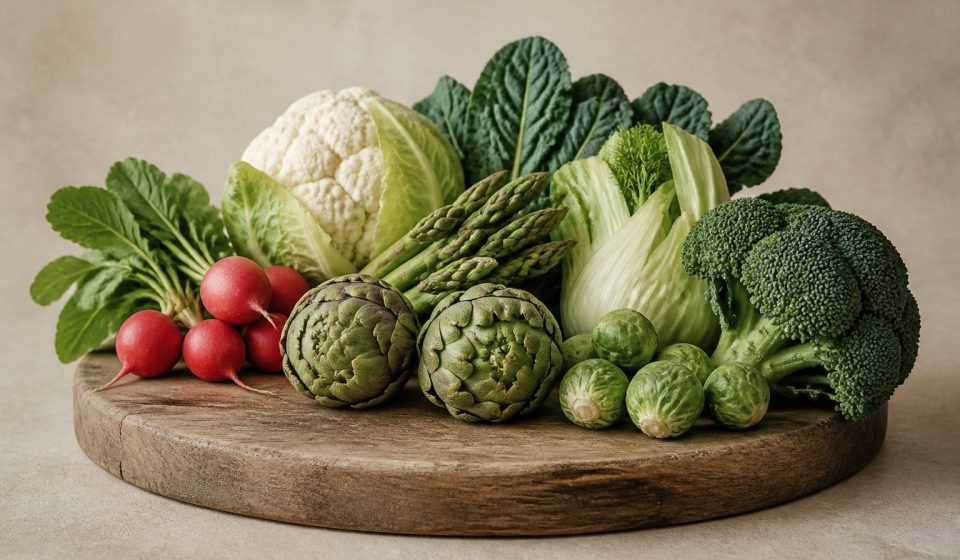
Learn how healthy meal planning for families can save time, reduce stress, improve nutrition, and encourage lifelong healthy eating habits with practical meal planning tips.
Healthy meal planning is one of the best ways families can improve nutrition, save money, reduce food waste, and make daily meals less stressful. With busy schedules, work responsibilities, school activities, and household commitments, many families find it challenging to prepare balanced meals every day. Planning meals in advance helps ensure that everyone enjoys nutritious, well-balanced foods while reducing the temptation to rely on fast food or processed convenience meals.
A well-planned family meal includes a variety of food groups, appropriate portion sizes, and nutrient-rich ingredients. It also encourages healthier eating habits among children and adults alike. Family meal planning is not about creating complicated recipes or spending hours in the kitchen. Instead, it focuses on organizing meals ahead of time, making smart grocery choices, and preparing simple, wholesome dishes that everyone can enjoy.
This guide explains the benefits of healthy meal planning, practical strategies for success, and simple ways families can build nutritious eating habits together.
Why Healthy Meal Planning Matters
Planning meals in advance offers numerous health and lifestyle benefits.
It helps families:
- Eat more nutritious meals
- Save time during busy weekdays
- Reduce food waste
- Lower grocery expenses
- Avoid last-minute unhealthy food choices
- Maintain balanced nutrition
- Encourage family meals
- Reduce stress around cooking
Consistent meal planning supports healthier eating habits for the entire family.
Benefits of Family Meals
Sharing meals together offers more than nutritional benefits.
Regular family meals may help:
- Strengthen family relationships
- Encourage healthier food choices
- Improve children’s eating habits
- Promote better communication
- Reduce unhealthy snacking
- Support emotional well-being
Eating together creates positive lifelong habits.
Build a Balanced Plate
A healthy meal should include foods from multiple food groups.
Aim to fill the plate with:
- Half vegetables and fruits
- One-quarter whole grains
- One-quarter lean protein
Include a serving of low-fat dairy or dairy alternatives when appropriate.
Balanced meals provide essential nutrients for all age groups.
Include Plenty of Fruits and Vegetables
Fruits and vegetables provide:
- Vitamins
- Minerals
- Fiber
- Antioxidants
Include a variety of colorful produce throughout the week.
Examples include:
- Apples
- Bananas
- Oranges
- Berries
- Carrots
- Broccoli
- Spinach
- Bell peppers
Colorful meals often provide a wider range of nutrients.
Choose Whole Grains
Whole grains provide more fiber and nutrients than refined grains.
Healthy choices include:
- Brown rice
- Oats
- Whole wheat bread
- Whole grain pasta
- Quinoa
- Barley
Whole grains support digestive health and provide lasting energy.
Include Lean Protein
Protein helps support growth, muscle maintenance, and overall health.
Healthy protein options include:
- Skinless chicken
- Fish
- Eggs
- Beans
- Lentils
- Chickpeas
- Tofu
- Low-fat dairy
Including protein at each meal helps improve satiety.
Add Healthy Fats
Healthy fats support brain function and heart health.
Good sources include:
- Olive oil
- Avocados
- Almonds
- Walnuts
- Chia seeds
- Flaxseeds
Use healthy fats in moderation as part of a balanced diet.
Plan Meals Before Grocery Shopping
Planning meals first makes grocery shopping easier.
Create a weekly menu that includes:
- Breakfast
- Lunch
- Dinner
- Healthy snacks
Preparing a shopping list helps reduce unnecessary purchases and food waste.
Shop with a Grocery List
A shopping list helps families:
- Stay organized
- Save money
- Buy healthier foods
- Reduce impulse purchases
Focus on purchasing mostly whole, nutrient-rich foods.
Prepare Ingredients Ahead of Time
Meal preparation saves valuable time during busy weekdays.
Consider:
- Washing vegetables
- Chopping fruits
- Cooking grains in advance
- Preparing healthy snacks
- Marinating proteins
Simple preparation makes healthy meals easier to assemble.
Keep Healthy Snacks Available
Nutritious snacks help prevent unhealthy eating between meals.
Healthy options include:
- Fresh fruit
- Yogurt
- Unsalted nuts
- Vegetable sticks
- Hummus
- Whole grain crackers
- Boiled eggs
Having healthy snacks ready encourages better choices.
Limit Highly Processed Foods
Processed foods often contain excessive:
- Sodium
- Added sugars
- Saturated fats
Replace processed foods with fresh, minimally processed ingredients whenever possible.
Involve Children in Meal Planning
Children are more likely to eat healthy foods when they help prepare them.
Age-appropriate activities include:
- Choosing vegetables
- Washing produce
- Mixing ingredients
- Setting the table
- Helping prepare simple meals
Cooking together also teaches valuable life skills.
Cook Larger Portions
Preparing extra servings can save time.
Leftovers can be used for:
- Lunches
- Quick dinners
- Healthy meal prep
Proper food storage helps maintain food safety.
Practice Portion Control
Healthy portions help maintain balanced nutrition.
Encourage family members to:
- Eat slowly
- Listen to hunger cues
- Avoid overeating
- Use appropriately sized plates
Portion control supports healthy weight management.
Stay Hydrated
Water is the healthiest beverage for most family members.
Encourage drinking:
- Water
- Unsweetened milk (where appropriate)
- Herbal tea for adults
Limit sugary beverages and soft drinks.
Create a Weekly Meal Schedule
A simple weekly schedule may include:
Monday: Grilled chicken, brown rice, vegetables
Tuesday: Lentil soup with whole grain bread
Wednesday: Baked fish, quinoa, salad
Thursday: Vegetable stir-fry with tofu
Friday: Whole wheat pasta with tomato sauce and vegetables
Saturday: Homemade vegetable wraps
Sunday: Family dinner with lean protein, vegetables, and whole grains
Planning meals ahead reduces daily decision-making.
Budget-Friendly Meal Planning Tips
Healthy eating does not have to be expensive.
Save money by:
- Buying seasonal produce
- Purchasing frozen vegetables
- Cooking at home
- Buying whole grains in bulk
- Using beans and lentils regularly
- Planning leftovers
Budget-friendly planning supports long-term healthy eating.
Healthy Eating Habits for Families
Encourage healthy routines by:
- Eating together regularly
- Avoiding distractions during meals
- Limiting fast food
- Offering balanced meals
- Trying new healthy recipes
- Encouraging children to taste different foods
Positive habits developed early often continue into adulthood.
Common Meal Planning Mistakes
Avoid these common errors:
- Skipping meal planning
- Shopping without a list
- Buying excessive processed foods
- Forgetting healthy snacks
- Preparing oversized portions
- Ignoring food safety
- Wasting leftovers
Simple planning helps prevent these challenges.
When Should You Seek Professional Advice?
Consult a healthcare professional or registered dietitian if a family member has:
- Diabetes
- Food allergies
- Digestive disorders
- Kidney disease
- Heart disease
- Nutritional deficiencies
- Childhood feeding concerns
Personalized guidance supports safe and balanced nutrition.
Tips for Successful Family Meal Planning
Healthy meal planning becomes easier with practice.
- Plan meals every week.
- Shop with a grocery list.
- Include all food groups.
- Prepare ingredients ahead of time.
- Choose whole foods.
- Cook extra portions.
- Keep healthy snacks available.
- Drink plenty of water.
- Eat together whenever possible.
- Stay flexible and enjoy variety.
Small, consistent habits make healthy eating sustainable.
Sources
https://www.who.int
https://www.cdc.gov
https://www.nih.gov
https://www.heart.org
Conclusion
Healthy meal planning is an effective way to improve nutrition, reduce stress, and create positive eating habits for the whole family. By planning balanced meals, choosing whole foods, preparing ingredients ahead of time, and involving children in meal preparation, families can enjoy nutritious meals while saving both time and money. Meal planning also helps reduce reliance on processed foods and encourages regular family meals that strengthen relationships.
Healthy eating does not require perfection. With thoughtful planning and simple daily habits, families can build a sustainable lifestyle that supports growth, energy, disease prevention, and overall well-being for years to come.
FAQs
1. Why is meal planning important for families?
Meal planning helps families eat healthier, save time, reduce food waste, lower grocery costs, and make balanced nutrition easier to achieve.
2. What should a healthy family meal include?
A balanced meal should include vegetables, fruits, whole grains, lean protein, and healthy fats in appropriate portions.
3. How can I encourage my children to eat healthy foods?
Involve children in meal planning and preparation, offer a variety of colorful foods, and make family meals enjoyable without forcing them to eat.
4. Can meal planning save money?
Yes. Planning meals, shopping with a list, cooking at home, and using leftovers can significantly reduce grocery expenses and food waste.
5. How often should I plan family meals?
Planning meals once a week is usually enough to organize shopping, prepare ingredients, and reduce daily cooking stress.
Comparing Meal Planning Approaches: Key Factors
| Factor | Weekly Meal Planning | Daily Meal Planning | Last-Minute Meals |
|---|---|---|---|
| Time Spent Planning | Approx. 30–60 minutes once a week | Approx. 10–15 minutes each day | Minimal to none |
| Grocery Shopping Frequency | 1–2 times per week | Several times per week | As needed, often multiple times weekly |
| Food Waste | Lower, due to planned portions | Moderate | Higher, due to impulse buys and unused ingredients |
| Cost per Meal (approx.) | $3–$7 per serving | $4–$9 per serving | $6–$15 per serving (including takeout) |
| Nutrition Quality | Consistently balanced | Varies by day | Often less balanced |
Differences in Meal Planning: United States, United Kingdom, and India
Meal planning habits and challenges vary between the United States, the United Kingdom, and India. In the United States, families often have access to a wide variety of fresh and processed foods year-round, and meal planning typically emphasizes convenience and time-saving. In the UK, meal planning is also common, with an emphasis on affordable grocery options and reducing food waste, influenced by smaller fridge and freezer sizes. In India, meal planning often focuses on using fresh, local ingredients purchased daily or several times a week, with meals frequently centered around vegetarian dishes and traditional recipes. The frequency of shopping and cultural eating patterns—such as eating together as a family—can differ significantly, and the availability of convenience foods varies. Additionally, grocery costs and the approach to meal preparation reflect local food traditions and economic factors in each country.
This article is general health information and not medical advice. Speak with a qualified clinician about your own situation.