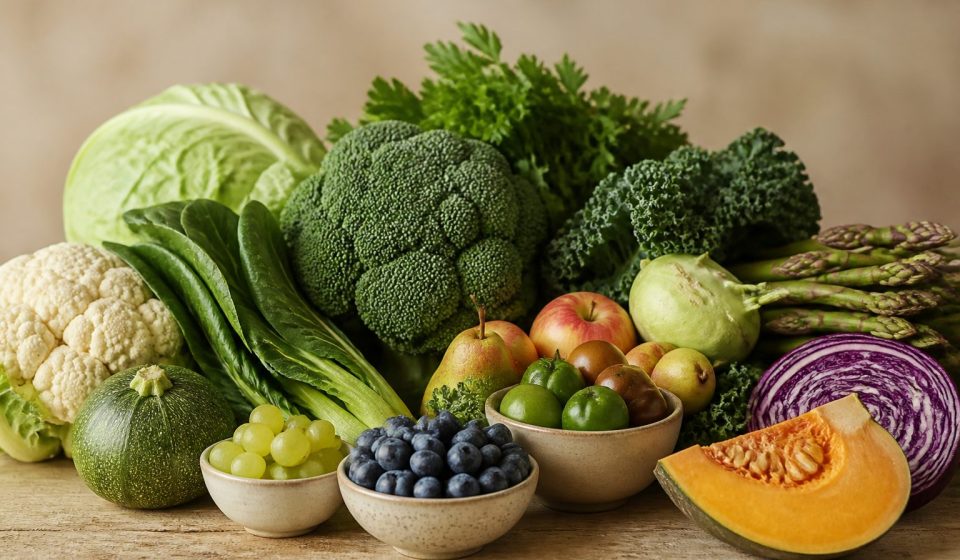
Learn about fatty liver disease, its causes, symptoms, risk factors, and prevention strategies. Discover healthy lifestyle changes that support liver health and reduce the risk of complications.
The liver is one of the most important organs in the body, performing hundreds of essential functions that help maintain overall health. It filters toxins, processes nutrients, stores vitamins, produces proteins, and supports digestion by producing bile. When too much fat accumulates in the liver, it can lead to a condition known as fatty liver disease.
Fatty liver disease has become increasingly common due to rising rates of obesity, diabetes, unhealthy eating habits, and sedentary lifestyles. In many cases, the condition develops silently without noticeable symptoms, making regular health checkups important for early detection. Although fatty liver disease can progress to serious liver damage if left untreated, it is often preventable and, in its early stages, may even be reversible through healthy lifestyle changes.
This article explains the causes, symptoms, risk factors, prevention strategies, and healthy habits that can help protect your liver and improve your overall well-being.
What Is Fatty Liver Disease?
Fatty liver disease occurs when excess fat builds up inside liver cells.
There are two main types:
- Non-alcoholic fatty liver disease (NAFLD): Fat accumulation not caused by excessive alcohol consumption.
- Alcohol-related fatty liver disease (AFLD): Fat buildup resulting from excessive alcohol intake.
If untreated, fatty liver disease may progress to liver inflammation, fibrosis (scarring), cirrhosis, or even liver failure.
Why Liver Health Is Important
The liver performs many essential functions, including:
- Filtering harmful substances from the blood
- Producing bile for digestion
- Storing vitamins and minerals
- Processing nutrients from food
- Helping regulate blood sugar
- Producing proteins needed for blood clotting
Keeping the liver healthy supports the health of the entire body.
Causes of Fatty Liver Disease
Several factors contribute to fat accumulation in the liver.
Common causes include:
- Overweight and obesity
- Type 2 diabetes
- Insulin resistance
- High cholesterol
- High triglyceride levels
- Excessive alcohol consumption
- Poor dietary habits
- Physical inactivity
- Rapid weight loss
- Certain medications
Often, more than one factor contributes to the condition.
Risk Factors
Some people are more likely to develop fatty liver disease than others.
Risk factors include:
- Obesity
- Type 2 diabetes
- High blood pressure
- High cholesterol
- Metabolic syndrome
- Family history of liver disease
- Age over 40 years
- Sedentary lifestyle
- Sleep apnea
Understanding these risks can encourage early screening and prevention.
Symptoms of Fatty Liver Disease
Many people experience no symptoms during the early stages.
When symptoms occur, they may include:
- Fatigue
- Feeling weak
- Mild discomfort in the upper right abdomen
- Unexplained weight loss
- Loss of appetite
Because symptoms are often absent, routine medical examinations are valuable.
Possible Complications
Without appropriate management, fatty liver disease may lead to:
- Liver inflammation
- Liver fibrosis
- Cirrhosis
- Liver failure
- Increased risk of liver cancer
- Greater risk of heart disease
Early intervention greatly reduces these risks.
Eat a Healthy, Balanced Diet
Healthy eating plays a key role in preventing and managing fatty liver disease.
Choose foods such as:
- Fresh fruits
- Vegetables
- Whole grains
- Beans and lentils
- Lean proteins
- Fish
- Nuts and seeds
- Healthy fats like olive oil
A nutrient-rich diet supports liver function and overall health.
Limit Sugary Foods and Drinks
Excess sugar, especially from sugary beverages and processed foods, can contribute to fat buildup in the liver.
Reduce intake of:
- Soft drinks
- Sweetened fruit juices
- Candy
- Cakes
- Pastries
- Sugary cereals
Replacing sugary drinks with water is a simple healthy habit.
Reduce Saturated and Trans Fats
Diets high in unhealthy fats may increase liver fat.
Limit foods such as:
- Fried foods
- Fast food
- Processed snacks
- Fatty meats
- Processed meats
Choose healthier cooking methods like baking, grilling, or steaming.
Maintain a Healthy Weight
Weight management is one of the most effective ways to reduce liver fat.
Healthy weight loss should be gradual and supported by:
- Balanced nutrition
- Regular exercise
- Portion control
- Consistent healthy habits
Avoid crash diets or extreme weight-loss methods.
Exercise Regularly
Physical activity helps reduce liver fat and improve insulin sensitivity.
Healthy activities include:
- Walking
- Cycling
- Swimming
- Jogging
- Yoga
- Strength training
Aim for at least 150 minutes of moderate-intensity exercise each week.
Manage Diabetes and Blood Sugar
High blood sugar contributes to fat accumulation in the liver.
Good diabetes management includes:
- Monitoring blood glucose
- Following a balanced diet
- Taking medications as prescribed
- Regular medical follow-up
Controlling blood sugar supports liver health.
Control Cholesterol and Triglycerides
High cholesterol and triglyceride levels are commonly associated with fatty liver disease.
Healthy lifestyle changes and prescribed medications, when necessary, help maintain healthy blood lipid levels.
Avoid Excessive Alcohol
Alcohol places additional stress on the liver.
Reducing or avoiding alcohol can help:
- Prevent further liver damage
- Improve liver function
- Reduce inflammation
People diagnosed with fatty liver disease should follow their healthcare provider’s advice regarding alcohol consumption.
Stay Hydrated
Drinking enough water supports overall health and helps maintain normal body functions.
While water does not directly remove fat from the liver, proper hydration supports healthy metabolism and overall wellness.
Get Regular Health Checkups
Routine health screenings may include:
- Liver function tests
- Blood sugar tests
- Cholesterol testing
- Ultrasound imaging (if recommended)
Regular checkups help detect liver problems before complications develop.
Avoid Unnecessary Medications
Some medications and supplements may affect liver health.
Always:
- Take medicines only as prescribed.
- Inform your healthcare provider about all supplements.
- Avoid self-medicating without professional guidance.
Healthy Daily Habits for a Strong Liver
Simple habits include:
- Eat nutritious meals.
- Exercise regularly.
- Maintain a healthy weight.
- Limit added sugars.
- Avoid excessive alcohol.
- Stay hydrated.
- Sleep well.
- Manage stress.
- Attend routine health screenings.
Consistency is more important than perfection.
When Should You Consult a Healthcare Professional?
Seek medical advice if you experience:
- Persistent fatigue
- Abdominal discomfort
- Unexplained weight loss
- Yellowing of the skin or eyes (jaundice)
- Swelling in the abdomen
- Abnormal liver function test results
- Risk factors such as obesity or diabetes
Early evaluation helps prevent long-term liver damage.
Sources
https://www.who.int
https://www.cdc.gov
https://www.nih.gov
https://www.nhs.uk
Conclusion
Fatty liver disease is increasingly common but is often preventable through healthy lifestyle choices. Maintaining a balanced diet, exercising regularly, achieving a healthy weight, controlling diabetes and cholesterol, limiting alcohol, and attending regular health checkups can significantly reduce the risk of developing liver disease.
Because fatty liver disease often develops without noticeable symptoms, routine medical evaluations are important, especially for individuals with obesity, diabetes, or other metabolic conditions. By adopting healthy daily habits and seeking timely medical advice, you can protect your liver, improve your overall health, and reduce the risk of serious complications.
FAQs
1. What causes fatty liver disease?
Common causes include obesity, Type 2 diabetes, insulin resistance, high cholesterol, high triglycerides, unhealthy eating habits, physical inactivity, and excessive alcohol consumption.
2. Can fatty liver disease be reversed?
In many early cases, lifestyle changes such as healthy eating, regular exercise, weight loss, and controlling blood sugar can help reduce liver fat and improve liver health.
3. Does fatty liver disease always cause symptoms?
No. Many people have no symptoms in the early stages, which is why regular health checkups are important.
4. What foods are good for liver health?
Fruits, vegetables, whole grains, lean proteins, fish, legumes, nuts, seeds, and healthy fats are beneficial for maintaining liver health.
5. How can I reduce my risk of fatty liver disease?
Maintain a healthy weight, exercise regularly, eat a balanced diet, limit added sugars and unhealthy fats, avoid excessive alcohol, and manage conditions such as diabetes and high cholesterol.
Comparing Fatty Liver Disease Management Options
| Management Option | Estimated Cost (USD) | Time Commitment | Expected Results |
|---|---|---|---|
| Lifestyle Modifications (diet & exercise) | Minimal to moderate (approx. $0–$100/month for groceries, gym, etc.) | Ongoing; at least 150 minutes of exercise/week | May reduce liver fat and slow or reverse early disease within 6–12 months |
| Medical Monitoring (regular doctor visits, blood tests) | Approx. $100–$500 per visit/test (varies by insurance/region) | Every 3–12 months | Tracks progression and effectiveness of treatment; does not treat disease directly |
| Medications (for managing related conditions) | Approx. $10–$200/month (depending on prescription and insurance) | Daily | Helps control diabetes, cholesterol, or other factors; indirect impact on liver fat |
| Alcohol Reduction or Cessation | Varies (potential cost savings) | Ongoing | May significantly improve liver health, especially in alcohol-related cases |
| Weight Loss Surgery (for severe obesity) | $10,000–$25,000 (one-time, may be partially covered by insurance) | Initial surgery and recovery (weeks to months), ongoing lifestyle changes | Can lead to substantial weight loss and liver fat reduction over 1–2 years |
This article is general health information and not medical advice. Speak with a qualified clinician about your own situation.