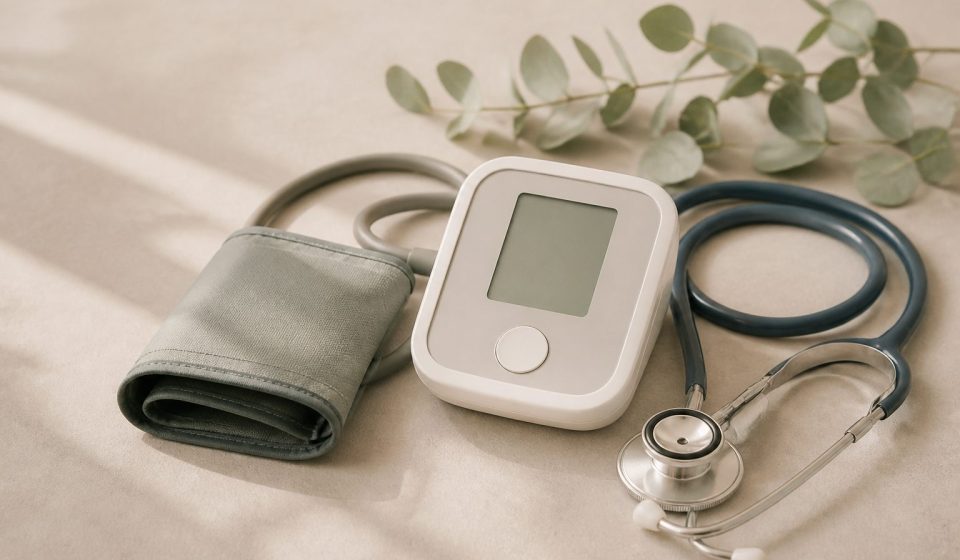
Learn about common medical tests, what they measure, why doctors recommend them, and how they help detect diseases early for better health and preventive care.
Medical tests play a crucial role in modern healthcare by helping doctors diagnose illnesses, monitor existing health conditions, and detect diseases before symptoms become severe. While many people associate medical tests with illness, they are equally important as part of preventive healthcare. Routine screenings and laboratory investigations can identify hidden health problems early, allowing treatment to begin before complications develop.
Whether you’re attending an annual health checkup, preparing for surgery, or managing a chronic condition, your healthcare provider may recommend one or more medical tests. Understanding why these tests are performed and what they evaluate can help reduce anxiety and encourage patients to take an active role in their healthcare.
From simple blood tests and urine analysis to imaging studies and heart examinations, each medical test provides valuable information about how your body is functioning. This guide explains some of the most common medical tests, what they detect, and why they are important for maintaining good health.
Why Medical Tests Are Important
Medical tests provide healthcare professionals with information that cannot always be determined through symptoms or a physical examination alone.
They help doctors:
- Detect diseases early
- Confirm medical diagnoses
- Monitor chronic conditions
- Evaluate organ function
- Assess treatment effectiveness
- Identify risk factors
- Prevent future health complications
- Guide personalized treatment plans
Early diagnosis often leads to better treatment outcomes and improved quality of life.
Complete Blood Count (CBC)
A Complete Blood Count (CBC) is one of the most frequently ordered blood tests. It measures different types of blood cells and provides an overview of your general health.
A CBC evaluates:
- Red blood cells
- White blood cells
- Hemoglobin
- Hematocrit
- Platelets
Doctors commonly recommend a CBC to help detect:
- Anemia
- Infections
- Blood disorders
- Immune system abnormalities
- Certain inflammatory conditions
It is often included as part of routine health examinations.
Blood Glucose Test
Blood glucose testing measures the amount of sugar (glucose) in your blood.
It is commonly used to:
- Screen for diabetes
- Detect prediabetes
- Monitor diabetes treatment
Common glucose tests include:
- Fasting Blood Sugar (FBS)
- Random Blood Sugar (RBS)
- HbA1c (Glycated Hemoglobin)
The HbA1c test reflects average blood sugar levels over the previous two to three months and is commonly used for long-term diabetes management.
Lipid Profile (Cholesterol Test)
A lipid profile measures different types of fats in the blood.
It typically includes:
- Total cholesterol
- LDL (Low-Density Lipoprotein)
- HDL (High-Density Lipoprotein)
- Triglycerides
High cholesterol often develops without symptoms and increases the risk of:
- Heart disease
- Stroke
- Peripheral artery disease
Routine cholesterol screening helps assess cardiovascular risk and guide lifestyle or medication recommendations.
Blood Pressure Measurement
Blood pressure testing is one of the simplest yet most important health assessments.
High blood pressure, also called hypertension, is often known as the “silent killer” because it may not cause noticeable symptoms.
Regular monitoring helps reduce the risk of:
- Heart attack
- Stroke
- Kidney disease
- Heart failure
Routine blood pressure checks are recommended for adults as part of preventive healthcare.
Liver Function Tests (LFTs)
Liver Function Tests evaluate how well the liver is working.
Common measurements include:
- ALT
- AST
- Bilirubin
- Albumin
- Alkaline phosphatase (ALP)
Doctors may recommend liver testing to investigate:
- Liver disease
- Hepatitis
- Fatty liver disease
- Medication-related liver damage
These tests are also commonly included in comprehensive health checkups.
Kidney Function Tests (KFTs)
Kidney function tests assess how effectively the kidneys filter waste products from the blood.
Common tests include:
- Creatinine
- Blood Urea Nitrogen (BUN)
- Estimated Glomerular Filtration Rate (eGFR)
These tests help detect:
- Kidney disease
- Dehydration
- Kidney injury
- Chronic kidney disease
Early detection allows treatment before permanent kidney damage occurs.
Thyroid Function Tests
The thyroid gland regulates metabolism through hormone production.
Thyroid testing usually measures:
- Thyroid Stimulating Hormone (TSH)
- Free T3
- Free T4
These tests help diagnose:
- Hypothyroidism
- Hyperthyroidism
- Thyroid disorders
Symptoms such as fatigue, weight changes, hair loss, or irregular heartbeat may prompt thyroid testing.
Urine Analysis
Urinalysis is a simple laboratory test that provides valuable information about overall health.
It can help detect:
- Urinary tract infections (UTIs)
- Kidney disease
- Diabetes
- Dehydration
- Protein in the urine
- Blood in the urine
The test is painless and commonly performed during routine health evaluations.
Electrocardiogram (ECG or EKG)
An Electrocardiogram records the electrical activity of the heart.
Doctors may recommend an ECG if you experience:
- Chest pain
- Irregular heartbeat
- Palpitations
- Shortness of breath
- Dizziness
An ECG helps detect:
- Heart rhythm disorders
- Previous heart attacks
- Heart enlargement
- Certain heart diseases
The procedure is quick, painless, and non-invasive.
X-Ray Imaging
X-rays use low-dose radiation to produce images of bones and certain internal structures.
Common reasons for X-rays include:
- Bone fractures
- Joint injuries
- Chest infections
- Lung diseases
- Arthritis
Chest X-rays are frequently used to evaluate lung and heart conditions.
Ultrasound Scan
Ultrasound uses sound waves to create images of internal organs.
Unlike X-rays, ultrasound does not use radiation.
It is commonly used to examine:
- Abdomen
- Liver
- Gallbladder
- Kidneys
- Thyroid gland
- Pregnancy
- Pelvic organs
Ultrasound is safe, painless, and widely used for diagnostic purposes.
Blood Tests for Vitamin Deficiencies
Doctors may recommend vitamin testing when patients experience symptoms such as fatigue or weakness.
Common vitamin tests include:
- Vitamin D
- Vitamin B12
- Folate
Identifying deficiencies helps guide appropriate dietary changes or supplementation.
Cancer Screening Tests
Cancer screening aims to detect cancer before symptoms develop.
Examples include:
- Mammography for breast cancer
- Pap test for cervical cancer
- Colorectal cancer screening
- Prostate health evaluation
- Skin examinations
Screening recommendations vary depending on age, gender, family history, and individual risk factors.
Bone Density Test
A Bone Mineral Density (BMD) test measures bone strength and evaluates the risk of osteoporosis.
Doctors commonly recommend it for:
- Postmenopausal women
- Older adults
- Individuals with fracture risk factors
Early detection allows treatment to reduce fracture risk.
Vision and Hearing Tests
Routine vision examinations help detect:
- Refractive errors
- Glaucoma
- Cataracts
- Diabetic eye disease
Hearing tests help identify age-related or noise-related hearing loss and support early intervention.
How to Prepare for Medical Tests
Some medical tests require preparation.
Your healthcare provider may advise you to:
- Fast before blood tests
- Drink water before certain scans
- Avoid certain medications temporarily
- Wear comfortable clothing
- Bring previous test reports
Always follow your doctor’s instructions to ensure accurate results.
Understanding Your Test Results
Laboratory results should always be interpreted by a qualified healthcare professional.
Normal ranges may vary depending on:
- Age
- Gender
- Medical history
- Laboratory methods
Abnormal results do not always indicate serious illness, and additional testing may sometimes be necessary.
Avoid self-diagnosing based solely on laboratory reports or online information.
When Are Medical Tests Recommended?
Doctors may recommend medical tests for several reasons:
- Routine annual checkups
- New symptoms
- Chronic disease monitoring
- Medication monitoring
- Pre-surgical evaluation
- Preventive screening
- Family history of disease
The type of test depends on your individual health needs and risk factors.
Benefits of Regular Medical Testing
Routine medical testing provides numerous health benefits.
These include:
- Early disease detection
- Better treatment outcomes
- Improved chronic disease management
- Personalized healthcare
- Reduced complications
- Better preventive care
- Greater peace of mind
Preventive testing is one of the most effective ways to maintain long-term health.
sources
https://www.who.int
https://www.cdc.gov
https://www.nih.gov
https://www.heart.org
https://www.cancer.org
Conclusion
Medical tests are valuable tools that help healthcare professionals understand your overall health, diagnose illnesses, and detect diseases at an early stage. From routine blood work and urine analysis to heart examinations and imaging studies, each test provides important information that supports accurate diagnosis and effective treatment.
Understanding the purpose of common medical tests empowers patients to participate actively in their healthcare and reduces uncertainty during medical visits. Regular screenings, preventive checkups, and timely testing can significantly improve long-term health outcomes and help prevent serious complications.
By following your healthcare provider’s recommendations and attending routine health examinations, you can take an important step toward protecting your health and maintaining a better quality of life.
Frequently Asked Questions (FAQs)
1. Why are routine medical tests important?
Routine medical tests help detect diseases early, monitor chronic conditions, evaluate organ function, and identify health risks before symptoms become severe.
2. What is included in a routine health checkup?
A routine health checkup may include blood pressure measurement, blood sugar testing, cholesterol screening, complete blood count (CBC), liver and kidney function tests, urine analysis, and other age-appropriate screenings.
3. Do I need to fast before blood tests?
Some blood tests, such as fasting blood sugar and certain lipid profile tests, may require fasting. Your healthcare provider will give you specific instructions before the test.
4. Are abnormal test results always serious?
Not necessarily. Abnormal results can occur for many reasons and may require additional evaluation. Your doctor will interpret the results based on your symptoms, medical history, and other findings.
5. How often should I undergo routine medical testing?
The frequency depends on your age, overall health, family history, and risk factors. Many adults benefit from annual health checkups and preventive screenings recommended by their healthcare provider.
Comparison of Common Medical Tests
| Test Name | Purpose | Approximate Cost (USD) | Time for Results | Preparation Needed |
|---|---|---|---|---|
| Complete Blood Count (CBC) | Checks overall health, detects anemia and infections | $20 – $50 | Few hours to 1 day | Usually none |
| Blood Glucose Test | Screens for diabetes and monitors blood sugar | $10 – $40 | Minutes to same day | Fasting may be required |
| Lipid Panel | Measures cholesterol and triglycerides | $30 – $60 | 1 day | Fasting often required |
| Urinalysis | Detects urinary tract issues, kidney problems | $10 – $30 | Minutes to a few hours | Sample collection |
| Electrocardiogram (ECG/EKG) | Assesses heart rhythm and function | $50 – $150 | Immediately after test | No special preparation |
Differences in Medical Testing: United States, United Kingdom, and India
The availability, cost, and approach to common medical tests can vary significantly between countries. In the United States, many tests are performed in private labs or clinics, and patients often pay out-of-pocket or through insurance. Costs are typically higher compared to other countries. In the United Kingdom, routine medical tests are generally provided through the National Health Service (NHS), meaning most residents do not pay directly at the point of care, but may experience longer wait times for non-urgent tests. In India, medical tests are widely available in both public hospitals and private labs. Costs are usually lower than in the US or UK, and results are often available quickly, especially in private facilities. However, out-of-pocket payment is common in both public and private sectors, depending on insurance coverage and location.
This article is general health information and not medical advice. Speak with a qualified clinician about your own situation.