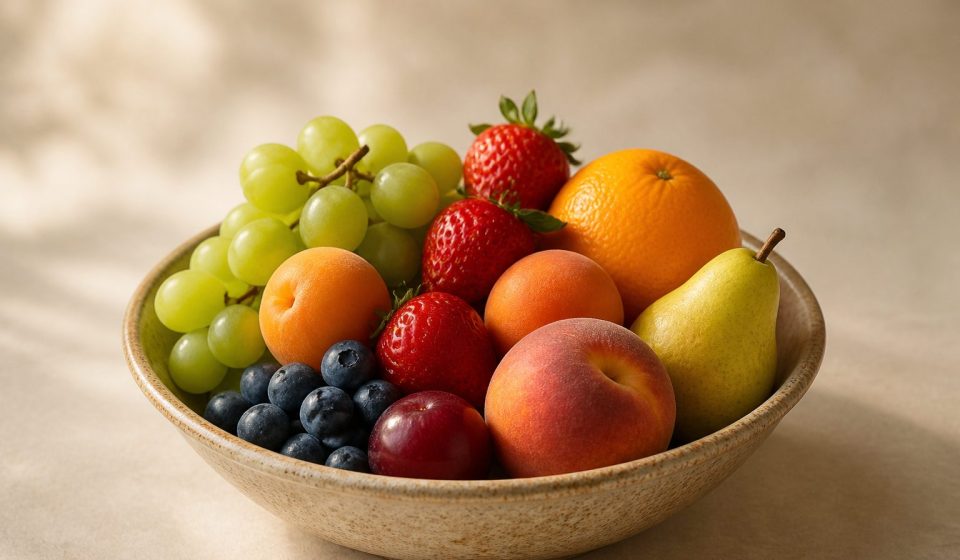
Healthy, glowing skin is not only the result of good skincare products. What you eat every day plays a major role in how your skin looks, feels, repairs, and ages. Your skin is the largest organ of the body, and like every other organ, it needs proper nutrition to function well. A balanced diet can support skin hydration, reduce dullness, improve skin texture, support collagen production, and help manage common skin concerns such as acne, dryness, pigmentation, and premature aging.
At Vivora Clinic, we believe that beautiful skin starts from within. Creams, serums, and treatments can improve the outer layer of the skin, but long-lasting skin health depends on your internal wellness too. When your body receives the right vitamins, minerals, proteins, healthy fats, and antioxidants, your skin gets the nourishment it needs to stay fresh, firm, and naturally radiant.
In this article, we will explain how nutrition affects your skin health and natural glow, which foods support healthy skin, what dietary habits can damage your skin, and how you can build a skin-friendly lifestyle.
Why Nutrition Matters for Skin Health
Your skin constantly renews itself. Old skin cells shed, and new cells form. This process requires nutrients such as protein, vitamin C, vitamin A, zinc, iron, omega-3 fatty acids, and antioxidants. When your diet lacks these nutrients, your skin may start showing signs such as dryness, rough texture, slow healing, dullness, acne, and early signs of aging.
Nutrition affects skin in several important ways. It supports collagen formation, protects skin from oxidative stress, helps maintain the skin barrier, controls inflammation, balances oil production, and supports wound healing. A healthy diet also improves gut health, hormone balance, and blood sugar levels, which are all connected to skin clarity and glow.
The Link Between Diet and Natural Glow
A natural glow comes from healthy blood circulation, proper hydration, balanced oil production, and strong skin cells. When you eat nutrient-rich foods, your body receives the building blocks needed for brighter and healthier skin. Fresh fruits, vegetables, whole grains, nuts, seeds, lean proteins, and healthy fats provide essential nutrients that help the skin look fresh and youthful.
On the other hand, a diet high in refined sugar, fried foods, processed snacks, and sugary drinks can increase inflammation and may contribute to breakouts, dullness, and premature aging. A poor diet can also affect digestion and gut health, which may indirectly show on the skin.
Best Nutrients for Healthy and Glowing Skin
1. Vitamin C for Collagen and Brightness
Vitamin C is one of the most important nutrients for skin health. It helps the body produce collagen, a protein that keeps skin firm, smooth, and elastic. Collagen naturally decreases with age, which can lead to fine lines, wrinkles, and sagging skin.
Good sources of vitamin C include oranges, lemons, amla, guava, strawberries, kiwi, papaya, tomatoes, capsicum, and leafy greens. Adding vitamin C-rich foods to your daily diet can support skin repair, brightness, and overall glow.
2. Protein for Skin Repair
Protein is essential for building and repairing skin tissue. Your skin, hair, and nails are made from proteins such as collagen, elastin, and keratin. If your protein intake is low, your skin may become weak, dull, and slow to heal.
Healthy protein sources include dals, beans, chickpeas, paneer, tofu, eggs, fish, chicken, Greek yogurt, nuts, and seeds. For vegetarian diets, combining pulses, grains, dairy, and soy-based foods can help meet protein needs.
3. Omega-3 Fatty Acids for Skin Barrier
Omega-3 fatty acids are healthy fats that support the skin barrier and help reduce dryness. A strong skin barrier protects the skin from pollution, irritation, and moisture loss. Omega-3s may also help manage inflammation in the body.
Good sources include fatty fish, walnuts, flaxseeds, chia seeds, pumpkin seeds, and certain plant oils. For glowing skin, healthy fats should not be completely avoided. Instead, choose good fats in the right quantity.
4. Vitamin A for Skin Renewal
Vitamin A supports skin cell turnover, which means it helps the skin renew itself. It is important for smooth texture, clear skin, and healthy repair. Many skincare products use retinoids, which are related to vitamin A, but food sources also play a role in skin health.
Natural sources include carrots, sweet potatoes, spinach, pumpkin, mango, papaya, and leafy vegetables. These foods contain beta-carotene, which the body can convert into vitamin A.
5. Zinc for Acne and Healing
Zinc is an important mineral for skin repair, wound healing, and oil balance. It may help support acne-prone skin by helping the body manage inflammation and healing.
Food sources of zinc include pumpkin seeds, sesame seeds, nuts, chickpeas, lentils, whole grains, eggs, seafood, and dairy products.
6. Vitamin E for Skin Protection
Vitamin E is an antioxidant that helps protect skin cells from damage caused by free radicals. Free radicals can come from pollution, sun exposure, stress, and poor lifestyle habits. Vitamin E also supports skin moisture and softness.
Good sources include almonds, sunflower seeds, peanuts, spinach, avocado, and plant-based oils.
How Sugar and Refined Carbs Affect Skin
One of the biggest diet-related skin concerns is excess sugar. Foods such as sweets, bakery items, sugary drinks, white bread, refined snacks, and processed cereals can cause blood sugar spikes. These spikes may increase inflammation and oil production, which can worsen acne in some people.
A high-sugar diet can also contribute to a process called glycation, where sugar molecules attach to proteins like collagen and elastin. Over time, this may make the skin look less firm and more aged.
Instead of refined carbs, choose whole grains such as oats, brown rice, millet, quinoa, whole wheat, and vegetables. These foods release energy more slowly and support better skin and overall health.
Hydration and Skin Glow
Water is essential for overall health, and hydration plays a role in maintaining soft and fresh-looking skin. Dehydration can make the skin appear tired, dull, and dry. However, hydration is not only about drinking water. Fruits and vegetables such as cucumber, watermelon, oranges, tomatoes, spinach, and bottle gourd also add fluid and minerals to your diet.
For better skin hydration, drink enough water throughout the day, reduce excess caffeine and sugary drinks, and include water-rich foods in your meals.
Gut Health and Skin Connection
Your gut and skin are connected through inflammation, immunity, and nutrient absorption. Poor digestion, constipation, bloating, and an unhealthy gut may contribute to skin issues in some people. A healthy gut helps your body absorb nutrients properly and supports overall skin wellness.
To improve gut health, include fiber-rich foods such as fruits, vegetables, whole grains, dals, beans, and seeds. Fermented foods like curd, buttermilk, kefir, and homemade pickles may also support gut-friendly bacteria when consumed in moderation.
Foods That Support Healthy Skin
Here are some skin-friendly foods you can include in your diet:
- Amla, guava, oranges, and lemons for vitamin C
- Carrots, pumpkin, and sweet potatoes for beta-carotene
- Almonds, walnuts, chia seeds, and flaxseeds for healthy fats
- Spinach, methi, coriander, and other greens for antioxidants
- Dal, paneer, tofu, eggs, fish, and chicken for protein
- Curd and buttermilk for gut health
- Whole grains for stable energy and better blood sugar balance
- Water-rich fruits and vegetables for hydration
A colorful plate is usually a skin-friendly plate. The more natural colors you include from fruits and vegetables, the more variety of antioxidants your body receives.
Foods That May Damage Skin Health
Not every food affects everyone in the same way, but some foods may trigger skin concerns, especially when consumed frequently. These include:
- Excess sugar and sweets
- Sugary cold drinks and packaged juices
- Fried and oily fast foods
- Highly processed snacks
- Refined flour products
- Excess alcohol
- Very high intake of salty packaged foods
If you have acne, pigmentation, dryness, or dull skin, it is helpful to observe how your skin reacts to certain foods. A personalized nutrition plan can help identify possible triggers.
Nutrition for Acne-Prone Skin
Acne can be caused by hormones, genetics, stress, skincare mistakes, diet, and lifestyle. Diet alone may not cure acne, but it can influence acne in some people. A low-glycemic, balanced diet may help support clearer skin by reducing blood sugar spikes and inflammation.
For acne-prone skin, focus on whole foods, vegetables, protein, healthy fats, and enough water. Reduce sugary foods, refined carbs, and frequent junk food. Also avoid crash dieting, because poor nutrition can weaken the skin and affect hormones.
If acne is persistent, painful, or leaving marks, consult a dermatologist instead of relying only on home remedies.
Nutrition for Anti-Aging and Firm Skin
Aging is natural, but nutrition can support healthier aging. Collagen, antioxidants, and healthy fats are key for maintaining firm and youthful-looking skin. Vitamin C-rich foods, protein, nuts, seeds, leafy vegetables, and colorful fruits can support skin repair and protect against oxidative stress.
Also remember that diet works best with good sleep, sunscreen, stress control, and regular physical activity. A healthy lifestyle can slow visible signs of aging and improve your natural glow.
Simple Skin-Healthy Diet Plan Idea
A skin-friendly day can look like this:
Morning: Warm water with lemon or plain water, followed by fruit such as papaya, guava, or apple.
Breakfast: Oats, poha with vegetables, eggs, paneer, or dal chilla.
Mid-morning: Coconut water, buttermilk, or a handful of nuts and seeds.
Lunch: Roti or rice with dal, vegetables, salad, curd, and protein.
Evening: Green tea or herbal tea with roasted chana or fruit.
Dinner: Light meal with soup, vegetables, protein, and whole grains.
This is only a general example. Your ideal diet depends on your body type, skin concern, lifestyle, medical history, and fitness goals.
When Should You Consult a Nutrition and Skin Expert?
You should consider professional guidance if you have frequent acne, dull skin, pigmentation, hair fall, sudden weight changes, PCOS-related skin issues, digestive problems, or signs of nutrient deficiency. At Vivora Clinic, a personalized approach can help you understand the root cause of your skin concerns and create a plan that supports both inner health and outer beauty.
Nutrition, dermatology, and lifestyle guidance together can give better and longer-lasting results than random skincare or crash diets.
Conclusion
Nutrition has a powerful impact on your skin health and natural glow. The right foods can support collagen, hydration, skin repair, acne control, gut health, and anti-aging. A balanced diet rich in fruits, vegetables, protein, whole grains, healthy fats, and antioxidants can help your skin look clearer, brighter, and healthier.
Glowing skin is not achieved overnight. It is the result of daily habits, consistent nutrition, proper skincare, hydration, sleep, and expert guidance. If you want healthy skin from the inside out, Vivora Clinic can help you build a personalized skin and nutrition plan based on your unique needs.
FAQs
1. Can diet really improve skin glow?
Yes. A balanced diet can support hydration, collagen production, skin repair, and antioxidant protection, which can improve your natural glow over time.
2. Which foods are best for glowing skin?
Vitamin C-rich fruits, leafy greens, nuts, seeds, whole grains, protein-rich foods, curd, and water-rich fruits and vegetables are good for skin health.
3. Can sugar cause acne?
Sugar does not cause acne in everyone, but high-sugar and high-glycemic foods may worsen acne in some people by increasing inflammation and oil production.
4. How much water should I drink for healthy skin?
Water needs vary from person to person, but drinking enough water and eating water-rich fruits and vegetables can help maintain skin hydration.
5. Is skincare enough without a healthy diet?
Skincare helps externally, but nutrition supports skin from within. For long-term results, both skincare and a healthy diet are important.
6. Should I take supplements for glowing skin?
Supplements should only be taken when needed. It is better to consult a doctor or nutrition expert before taking skin supplements.
7. Can Vivora Clinic help with a skin diet plan?
Yes. Vivora Clinic can guide you with personalized nutrition and skin wellness plans based on your skin type, lifestyle, and health goals.
Comparing Nutritional Choices and Their Effects on Skin Health
| Food/Nutrient | Skin Benefit | Common Sources | Approximate Cost (per week, USD) |
|---|---|---|---|
| Vitamin C | Supports collagen production, brightens skin | Citrus fruits, berries, bell peppers | $5-$10 |
| Omega-3 Fatty Acids | Reduces inflammation, hydrates skin | Fatty fish, walnuts, flaxseeds | $7-$20 |
| Antioxidants | Protects against skin damage, improves glow | Leafy greens, dark chocolate, tomatoes | $6-$15 |
| Protein | Helps repair skin, builds new cells | Eggs, poultry, legumes, tofu | $8-$18 |
| Refined Sugar | Can worsen acne, dullness | Sugary drinks, pastries, candy | $4-$12 |
How Nutrition and Skin Health Differ by Country
The relationship between nutrition and skin health can vary based on typical diets, access to certain foods, and lifestyle differences in the United States, the UK, and India. In the United States, there is a wide availability of nutrient-rich foods, but processed and sugary foods are also common, which can affect skin negatively. In the UK, traditional diets are rich in vegetables, fish, and whole grains, but some people may not get enough fresh produce year-round due to climate and cost. In India, diets are often high in antioxidants and spices that can benefit skin, but some regions may lack sources of omega-3 fatty acids from fish. Additionally, lactose intolerance is more common in India, which can affect dairy intake and skin health. Access to nutritional guidance and supplements also differs, with the US having a larger market for specialized skincare nutrition products compared to the UK and India.
This article is general health information and not medical advice. Speak with a qualified clinician about your own situation.