Healthy, thick, and shiny hair is often a reflection of good overall health. While genetics, age, and lifestyle factors play a role in hair quality, nutrition is one of the most important factors influencing hair growth and strength. Many people spend money on expensive shampoos, conditioners, and hair treatments while overlooking the fact that healthy hair starts from within.
Hair follicles require a steady supply of vitamins, minerals, proteins, and healthy fats to function properly. A nutrient deficiency can lead to hair thinning, hair loss, dryness, brittleness, and slow hair growth. By including the right foods in your daily diet, you can nourish your hair from the inside out and promote stronger, healthier growth.
In this article, we’ll explore the best foods for healthy hair growth, the nutrients that support strong hair, and practical dietary tips to improve your hair health naturally.
Why Nutrition Matters for Hair Growth
Hair is primarily made of a protein called keratin. To produce healthy hair, your body requires adequate amounts of:
- Protein
- Iron
- Biotin
- Zinc
- Vitamin D
- Vitamin C
- Omega-3 fatty acids
- Vitamin E
- B Vitamins
When your body lacks these nutrients, hair growth can slow down, and hair may become weak and prone to breakage.
A balanced diet provides the essential building blocks needed to support healthy hair follicles and maintain optimal hair growth cycles.
1. Eggs: The Ultimate Hair Growth Food
Eggs are among the best foods for healthy hair growth because they are packed with protein and biotin.
Benefits of Eggs for Hair:
- Support keratin production
- Strengthen hair strands
- Reduce hair breakage
- Promote healthy scalp function
Protein deficiency is one of the leading causes of hair loss. Since hair follicles are made mostly of protein, consuming eggs regularly can help support stronger and thicker hair.
Nutrients Found in Eggs:
- Protein
- Biotin
- Vitamin D
- Selenium
- Zinc
Try including boiled eggs, omelets, or scrambled eggs in your daily diet.
2. Fatty Fish for Stronger Hair
Fatty fish such as salmon, tuna, sardines, and mackerel are rich in omega-3 fatty acids that nourish hair follicles and support scalp health.
Benefits:
- Improve hair density
- Reduce inflammation
- Enhance hair shine
- Support scalp hydration
Omega-3 fatty acids help keep the scalp healthy and may reduce excessive hair shedding.
Key Nutrients:
- Omega-3 fatty acids
- Protein
- Vitamin D
- Selenium
Aim for two servings of fatty fish per week for optimal benefits.
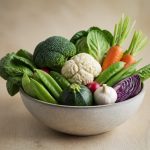
3. Spinach: A Hair-Friendly Superfood
Spinach is loaded with nutrients that support healthy hair growth and prevent hair loss.
Why Spinach Helps Hair:
- Rich in iron
- Supports oxygen delivery to hair follicles
- Prevents iron-deficiency-related hair loss
- Promotes healthy scalp circulation
Nutrients:
- Iron
- Folate
- Vitamin A
- Vitamin C
Iron deficiency is one of the most common causes of hair thinning, especially among women.
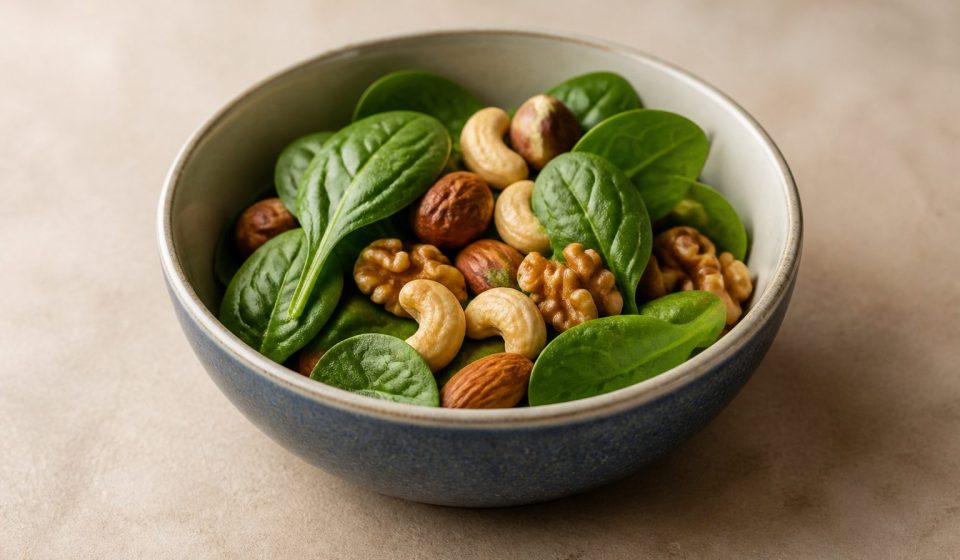
4. Nuts and Seeds for Hair Strength
Nuts and seeds provide a concentrated source of nutrients essential for strong hair.
Best Choices:
- Almonds
- Walnuts
- Flaxseeds
- Chia seeds
- Pumpkin seeds
- Sunflower seeds
Benefits:
- Support hair follicle health
- Reduce hair breakage
- Improve hair thickness
- Promote scalp nourishment
Important Nutrients:
- Zinc
- Vitamin E
- Omega-3 fats
- Selenium
A small handful of nuts and seeds daily can significantly contribute to healthier hair.
5. Sweet Potatoes for Healthy Hair Growth
Sweet potatoes are rich in beta-carotene, which the body converts into Vitamin A.
Benefits:
- Supports scalp health
- Encourages natural oil production
- Prevents dry and brittle hair
- Promotes healthy hair growth
Vitamin A helps produce sebum, a natural oil that keeps the scalp moisturized and healthy.
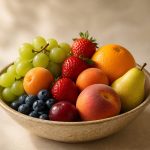
6. Berries Packed with Hair-Boosting Nutrients
Berries such as strawberries, blueberries, raspberries, and blackberries are rich in antioxidants and Vitamin C.
Benefits:
- Protect hair follicles from oxidative stress
- Improve collagen production
- Enhance iron absorption
- Support stronger hair strands
Why Vitamin C Matters
Vitamin C helps your body absorb iron more effectively, reducing the risk of hair loss caused by iron deficiency.
Include a bowl of mixed berries in your breakfast or smoothies.
7. Avocados for Shiny and Strong Hair
Avocados are rich in healthy fats and Vitamin E.
Benefits:
- Improve scalp circulation
- Enhance hair shine
- Protect hair follicles
- Reduce oxidative damage
Vitamin E acts as an antioxidant that helps maintain healthy hair growth and protects follicles from damage caused by environmental stressors.
8. Greek Yogurt and Dairy Products
Dairy products contain nutrients that support hair growth and strength.
Benefits:
- Promote hair follicle development
- Support stronger hair roots
- Improve overall hair structure
Key Nutrients:
- Protein
- Vitamin B12
- Calcium
- Vitamin D
Greek yogurt also contains probiotics that may contribute to overall wellness and nutrient absorption.
9. Beans and Lentils for Hair Growth
Beans and lentils are excellent plant-based protein sources.
Benefits:
- Strengthen hair strands
- Support follicle growth
- Prevent hair thinning
Nutrients:
- Protein
- Iron
- Zinc
- Biotin
These foods are especially beneficial for vegetarians looking to support healthy hair naturally.
10. Citrus Fruits for Collagen Production
Oranges, lemons, grapefruits, and other citrus fruits are rich in Vitamin C.
Benefits:
- Boost collagen production
- Strengthen hair structure
- Improve iron absorption
- Protect against oxidative stress
Collagen plays an important role in maintaining strong hair strands and supporting healthy hair follicles.
11. Oysters and Zinc-Rich Foods
Zinc is an essential mineral for hair tissue growth and repair.
Benefits:
- Support hair follicle function
- Reduce hair shedding
- Encourage healthy growth cycles
Other Zinc Sources:
- Pumpkin seeds
- Chickpeas
- Cashews
- Beef
Zinc deficiency has been linked to hair loss and thinning.
12. Whole Grains for Hair Health
Whole grains provide B vitamins and important minerals that support healthy hair growth.
Examples:
- Oats
- Brown rice
- Whole wheat
- Quinoa
Benefits:
- Support energy production
- Improve nutrient delivery to follicles
- Promote stronger hair growth
Whole grains are an excellent addition to a balanced hair-friendly diet.
Lifestyle Tips to Support Healthy Hair
Nutrition works best when combined with healthy lifestyle habits.
Stay Hydrated
Drink enough water daily to keep hair and scalp hydrated.
Manage Stress
Chronic stress can contribute to hair loss and shedding.
Get Enough Sleep
Hair growth and repair occur during sleep.
Avoid Excessive Heat Styling
Frequent use of straighteners, curling irons, and blow dryers can weaken hair.
Exercise Regularly
Physical activity improves blood circulation, delivering nutrients to hair follicles.
Foods to Limit for Better Hair Health
Some foods may negatively affect hair quality when consumed excessively.
Reduce:
- Sugary foods
- Processed snacks
- Deep-fried foods
- Excess alcohol
- Sugary beverages
A balanced diet focused on whole foods is the best approach for maintaining strong and healthy hair.
When to Seek Professional Help
If you’re experiencing:
- Excessive hair loss
- Sudden thinning
- Bald patches
- Persistent scalp issues
It may be time to consult a healthcare professional. Hair problems can sometimes indicate underlying nutritional deficiencies, hormonal imbalances, thyroid disorders, or other health concerns.
A personalized nutrition and wellness plan can help identify the root cause and support long-term hair health.
Conclusion
Healthy hair starts with proper nutrition. The foods you eat directly influence the strength, growth, and appearance of your hair. Incorporating nutrient-rich foods such as eggs, fatty fish, spinach, nuts, berries, avocados, beans, and whole grains can provide the vitamins and minerals needed for strong, healthy hair growth.
While hair products can improve appearance temporarily, lasting results come from nourishing your body from within. By following a balanced diet and maintaining healthy lifestyle habits, you can support thicker, shinier, and stronger hair naturally.
If you’re struggling with hair thinning or hair loss, professional nutritional guidance can help identify deficiencies and create a personalized plan to optimize your hair health and overall wellness.
Frequently Asked Questions (FAQs)
What food helps hair grow the fastest?
Eggs, fatty fish, spinach, berries, and nuts are among the best foods for supporting healthy hair growth.
Which vitamin is most important for hair growth?
Biotin, Vitamin D, Vitamin C, and Vitamin E are particularly important for healthy hair.
Can poor nutrition cause hair loss?
Yes. Deficiencies in protein, iron, zinc, and essential vitamins can contribute to hair thinning and hair loss.
How long does it take to see improvements in hair growth through diet?
Most people begin noticing improvements within 3 to 6 months of consistently following a nutrient-rich diet.
Is protein important for healthy hair?
Absolutely. Hair is primarily made of protein, making adequate protein intake essential for strong and healthy hair growth.
Comparing Key Foods for Hair Health
| Food | Main Nutrients | Approximate Cost (per serving) | How Often to Eat | Typical Hair Benefit |
|---|---|---|---|---|
| Eggs | Protein, Biotin, Vitamin D | $0.25 – $0.50 | 3-5 times/week | Strengthens hair, supports growth |
| Fatty Fish (e.g., Salmon) | Omega-3, Vitamin D, Protein | $2.00 – $4.00 | 2-3 times/week | Adds shine, improves density |
| Spinach | Iron, Vitamin C, Folate | $0.50 – $1.00 | 3-4 times/week | Prevents thinning, supports scalp health |
| Nuts (e.g., Walnuts, Almonds) | Vitamin E, Zinc, Healthy Fats | $0.75 – $1.50 | Daily | Reduces breakage, boosts hydration |
| Sweet Potatoes | Beta-carotene (Vitamin A) | $0.50 – $1.00 | 2-3 times/week | Promotes scalp health, supports growth |
Differences Between the United States, the UK, and India
Dietary habits and food availability can influence how people in the United States, the UK, and India approach hair health through nutrition. In the United States, people commonly consume eggs, fatty fish, and nuts, as these foods are widely available and affordable for many. In the UK, similar foods are accessible, but fatty fish like salmon and mackerel are especially emphasized due to local seafood options. In India, dietary patterns may focus more on plant-based sources such as lentils, spinach, and nuts, with eggs and fish being more common in certain regions or communities. Additionally, the cost and accessibility of foods like fatty fish may be higher in India compared to the US or UK, so people might rely more on vegetarian sources for protein and iron. Cultural preferences and dietary restrictions also play a role, with vegetarian diets being more prevalent in India, affecting the choice of foods for healthy hair growth.
This article is general health information and not medical advice. Speak with a qualified clinician about your own situation.